Casablanca
Duration
17 days 16 nights
Destination
More than 1
Travellers
1+
  • Information
  • Introduction
  • Tour Plan
  • Gallery
  • Location
  • Reviews
  • Similar Tours
Embark on the Grand Morocco Journey — 17 Days / 16 Nights and explore the breathtaking beauty of Morocco in comfort.

What's included

Destination
agadir , Aït-Ben-Haddou , Asilah , Atlas Mountains , Casablanca , Chefchaouen , Dadès Valley , Desert (Sahara) , Erfoud , Erg Chebbi , Essaouira , Fez (Fes) , Ifrane , Imperial Cities , Marrakech , Meknes , Merzouga , Ouarzazate , Rabat , Tangier , Tetouan , Todra Gorges , Volubilis Discover Destinations


Grand Morocco Journey — 17 Days / 16 Nights

Grand Morocco Journey — 17 Days / 16 Nights, is a kind of trips that allows  you enjoy the breathtaking of the country, starts and ends in Casablanca as a modern city then continue to discover the Amazing authentic Morocco.

Included In Grand Morocco Journey — 17 Days / 16 Nights
  • Transport In A Private Air-Conditioned 4wheel Drive Toyota Prado Tx Or Deluxe Mini Van Or Mini Bus And Fuel.
  • Pick Up From And Drop- Off At Your Hotel Or Riad And Transfer From And To The Airport .
  • Experienced Local English / French / Spanish / Speaking Driver Guide .
  • Accommodations With An Air-Conditioned Rooms And Private Bathrooms.
  • Rooms With Comfortable Beds And Break Fasts In All Accommodations Stays.
  • Dinners In Merzouga / Desert Camp / Dades Valley .
  • The Opportunity To Ask The Driver To Stop When And Where You Wish .
  • Camel Ride With Turbens In Merzouga Erg Chebbi.
  • Entrance Fees And Local Guides In Volubilis / Fes / Skoura / Essaouira / Marrakech
  • Overnight In A Luxury Camp In Erg Chebbi With –Private Toilet And Shower .
  • Meniral Watter At The Camel Ride.
Not Included In Grand Morocco Journey — 17 Days / 16 Nights

Hotel Options :

  • 3 Stars
  • 4 Stars
  • 5 Stars

Travel Infos :

  • Duration : 17 Days 16 Nights
  • Departure : We Start The Days Around 9.00 Am Every Day Exept The Arrival And The Departure Days.
  • The Tour Starts And  Ends In Casablanca.
  • The Tour Can Be 1 Person As A Solo Traveler Or More .
  • The Cost Of The Tour : Depends On How Many People Will Be In The Tour , Or Wich Kind Of Hotels You Have Choosen .

Terms And Conditions 

Important things you should know before booking your tour of Morocco.

  • This tour can be customised to be more personal and special .
  • You can always consult your driver about skipping certain spots in order to spend more time else where .
Booking & Deposit

We want the booking process to be simple, transparent, and secure. Once you have chosen your itinerary and travel dates, we will confirm availability, prepare your final itinerary and quotation, and provide the payment details required to secure your trip.

How to Book

To arrange your Morocco tour:

  1. Choose your itinerary and travel dates.
    Let us know your preferred travel dates, number of travelers, accommodation category, and any special requests.
  2. Receive your itinerary and quotation.
    We will send you a detailed itinerary and final price based on your group size, accommodation preferences, and selected services.
  3. Confirm your booking.
    Once you approve the itinerary and quotation, a 30% deposit of the total tour price is required to secure your reservation.
  4. Receive your booking confirmation.
    After we receive the deposit, we will confirm your booking in writing and proceed with the necessary arrangements, including accommodation, transportation, desert camps, guides, and other services included in your itinerary.
Deposit

A 30% deposit of the total tour price is required to confirm your booking.

The deposit allows us to secure your travel arrangements and begin making reservations with our local partners and service providers.

Unless otherwise stated in your booking confirmation, the remaining 70% balance is payable upon arrival in Morocco, before the tour begins.

For certain tailor-made journeys, large groups, special events, or bookings involving specific non-refundable services, different payment arrangements may apply. If so, we will explain these conditions clearly before you confirm your booking.

Payment Methods

We currently accept payment by:

  • Bank transfer
  • PayPal
  • Credit or debit card, where available
  • Cash in Morocco in EUR, USD, GBP, or MAD, where agreed in advance

Any bank charges, international transfer fees, or payment-processing fees charged by the payment provider may be the responsibility of the client.

Short-Notice Bookings

For bookings made close to the departure date, we may require full payment or a higher deposit in order to secure accommodation, transportation, desert camps, or other services.

We will always confirm the required payment before finalizing the booking.

Cancellation & Refund Policy

We understand that travel plans can change. Our cancellation policy is designed to provide reasonable flexibility for our guests while covering the accommodation, transportation, desert camps, guides, and other services that we reserve in advance on your behalf.

Cancellation by the Client

All cancellation requests must be submitted to us in writing by email. The cancellation date is the date we receive your written request.

The following cancellation fees apply:

Cancellation received Cancellation fee
More than 30 days before departure 30% of the total tour price
15–30 days before departure 50% of the total tour price
7–14 days before departure 75% of the total tour price
Less than 7 days before departure 100% of the total tour price
No-show or cancellation after the tour has started 100% of the total tour price

The cancellation fee may be adjusted where a hotel, riad, desert camp, transport provider, or other third-party supplier has its own non-refundable cancellation charges.

Refunds 

Any refund due will be calculated according to the cancellation schedule above and after deduction of any non-refundable payments already made to suppliers on your behalf.

Approved refunds will normally be processed using the original payment method. Bank charges, payment-processing fees, and currency-conversion costs may be deducted where applicable.

Changes to Your Booking

We will do our best to accommodate changes to your travel dates, itinerary, accommodation, or services.

Requests made more than 15 days before departure can usually be accommodated without a cancellation charge, subject to availability and any additional costs from suppliers.

Changes requested within 15 days of departure may be subject to additional charges from hotels, desert camps, transportation providers, guides, or other suppliers.

Cancellation by Morocco Meta Adventures

If Morocco Meta Adventures must cancel a tour before departure because of circumstances within our control, we will offer either:

  • an alternative date or itinerary of comparable value; or
  • a full refund of payments made for the affected tour.

If a tour cannot operate because of circumstances beyond our reasonable control, such as severe weather, natural disasters, government restrictions, road closures, strikes, or other exceptional events, we will work with you to provide the best available alternative.

Refunds in such circumstances will depend on amounts that can be recovered from third-party suppliers.

Travel Insurance

We strongly recommend purchasing comprehensive travel insurance at the time of booking. Your insurance should cover, where appropriate, trip cancellation, interruption, medical expenses, emergency assistance, baggage, and other unexpected travel costs.

Morocco Meta Adventures is not responsible for costs that are covered or recoverable through your travel insurance.

Important Note:

The cancellation policy applicable to your booking will be confirmed in writing at the time of reservation. Where a specific booking confirmation or written agreement contains different cancellation conditions, those conditions will apply to that booking.


Terms About Camel Trekking :

For the ones who are willing to take the camel ride in the desert , we tell them that the camel ride takes around 1 hour to 1hour and 30 minutes to reach the camp, as we offer you a bottle of mineral watter 1,5 litter. Each person and turbans to use on the camel ride wich is so helpfull against sunshine and sometimes sand dust , as before you pack for the camel ridding will be so helpfull if you have some shoes that are suitable for a walk in the sand dunes.

Ideally they should be closed so you don’t need to worry about sand getting inside them , also jeans are good choice to wear while on you are on your camel. Brining a flash lights with you to use at the camp will be also helpfull to use in the dark . without missing the sunglasses and the suncream as they are so impartant to avoid the bright sunshine and the hot sun on your soft skin .

Things To Know Before You Go : Guided Morocco Tour 17 Days

IS The Drinking Watter Safe In Morocco ?
Usually the watter is safe in morocco but its nice to use the mineral watter from the bottles for drinking and washing your teeth or washing the fruits the rest is fine to use the watter from the tap to avoid any issues that might affect your holiday in Morocco

What Will The Weather Be Like ?
Morocco is a land of contrasts , and climate follows suit , as Morocco Weather is typically sunny ,spring ,and autumn are the most popular season for travel . as you can use this website www.weather.com . to check the weather .

What Kind Of Clothing Is Allowed For Women / Men ?

Foreign women are in no way expected to cover thier hair ,arms or legs , but we suggest that on the side of modestey and avoid spaghetti-type strap shirts , tight / revealing clothing and very short lengths. Men my feel more comfortable in pants , as shorts are generally reserved for young Moroccan men since mornings and nights are cooler .so that will be nice if you take layers .

IS Morocco A Safe Country ?
In truth, Morocco is a safe place to visit. There’s only really small (pickpockets) and you’re unlikely to be assaulted or seriously hurt as a tourist in the country. Morocco is super safe for tourists now wich Moroccan governement did so much to make the country safe and really nice to visit especialy to attract so much tourists from all over the world .as tourism is one of the main industries in the country.

Tipping Customs In Morocco :
Actually moroccans depends on tips in the service that they give you wich is the averege gose diferent depends on the service :

  • Driver : between 30 to 40 USD per day
  • Guide : around 30 USD per day
  • Camel man : around 20 usd per day
  • Waiters and similar service 3 to 5 USD
  • The Moroccan currency is Morrocan Dirhams MAD you can use this website www.xe.com for a currency converter .

Overview

Discover Morocco from north to south on this 17-day private journey from Casablanca, designed for travelers who want to experience the country’s diverse landscapes, historic cities, cultural heritage, Atlantic coastline, and Sahara Desert.

From the Atlantic cities of Casablanca, Rabat, Asilah, and Tangier to the blue-painted streets of Chefchaouen and the historic medinas of Tetouan, Fes, Meknes, and Marrakech, this itinerary offers an in-depth introduction to Morocco.

Continue south through the Middle Atlas Mountains to the Sahara, where you will experience the landscapes of Merzouga and Erg Chebbi, enjoy a camel trek, and spend the night at a comfortable desert camp.

The journey then continues through the Todra Gorges, Dades Valley, Skoura, Ouarzazate, Aït Ben Haddou, Taliouine, Taroudant, Agadir, and Essaouira before concluding in Marrakech.

This private itinerary combines guided city visits, scenic drives, historic sites, local communities, mountain landscapes, desert experiences, and coastal culture. It can also be customized to suit your travel dates, accommodation preferences, interests, and arrival or departure arrangements.

Tour Highlights

  • Explore Casablanca and the Hassan II Mosque
  • Discover Rabat, Morocco’s capital
  • Walk through the coastal medina of Asilah
  • Explore historic Tangier, Cape Spartel, and the Caves of Hercules
  • Discover Tetouan and its UNESCO-listed medina
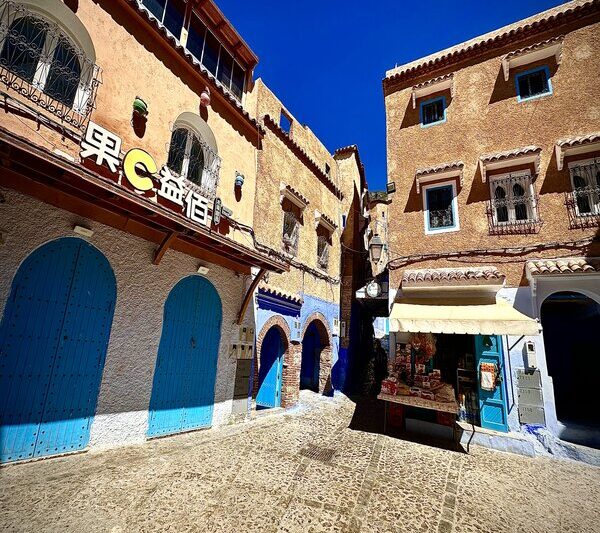
  • Explore the blue-painted streets of Chefchaouen
  • Visit the Roman ruins of Volubilis
  • Discover the imperial city of Meknes
  • Explore the historic medina of Fes
  • Travel through the Middle Atlas Mountains
  • Visit Ifrane and the cedar forests near Azrou
  • Travel through the Ziz Valley
  • Discover Erfoud, Rissani, and Merzouga
  • Enjoy a camel trek in the Erg Chebbi dunes
  • Spend the night at a comfortable Sahara desert camp
  • Experience the Todra Gorges and Dades Valley
  • Explore the Skoura Oasis and Amridil Kasbah
  • Visit Ouarzazate
  • Discover UNESCO-listed Aït Ben Haddou
  • Travel through the saffron-growing region of Taliouine
  • Explore Taroudant
  • Visit Agadir on Morocco’s Atlantic coast
  • Discover the medina and fishing port of Essaouira
  • Explore Marrakech and its historic medina
  • Experience Moroccan cuisine, architecture, crafts, and local traditions
  • DAY 01
  • DAY 02:
  • DAY 03:
  • DAY 04:
  • DAY 05
  • DAY 06
  • DAY 07
  • DAY 08
  • DAY 09
  • DAY 10
  • DAY 11
  • DAY 12
  • DAY 13
  • DAY 14
  • DAY 15
  • DAY 16
  • DAY 17
DAY 01

Day 01: Casablanca / Rabat.

Your journey begins with a warm welcome at Casablanca Airport, where your private driver will meet you and assist with your transfer.

Depending on your arrival time, begin with an introduction to Casablanca, Morocco’s largest city and an important commercial center on the Atlantic coast.

Visit the impressive Hassan II Mosque, one of Morocco’s most important architectural landmarks, before continuing to Rabat.

You may also see some of Casablanca’s well-known districts and the exterior of Rick’s Café, inspired by the famous film Casablanca.

Continue to Rabat, Morocco’s capital city, where you will check in to your hotel or riad.

Overnight: Rabat
Meals: Breakfast

DAY 02:

Day 02 : Rabat / Asilah / Tangier .

After breakfast, explore Rabat with your local guide.

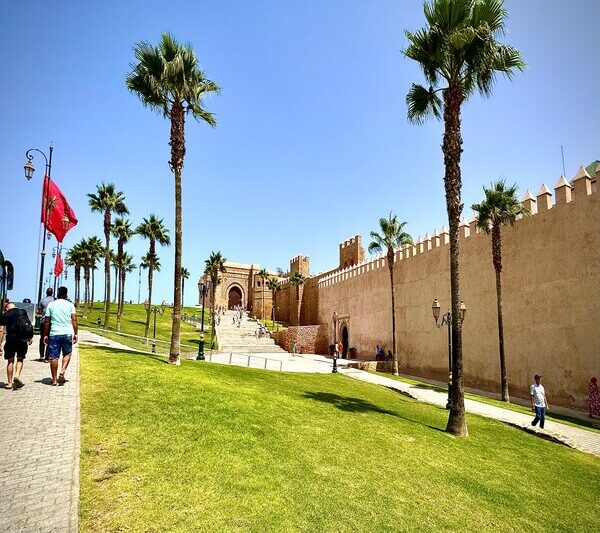
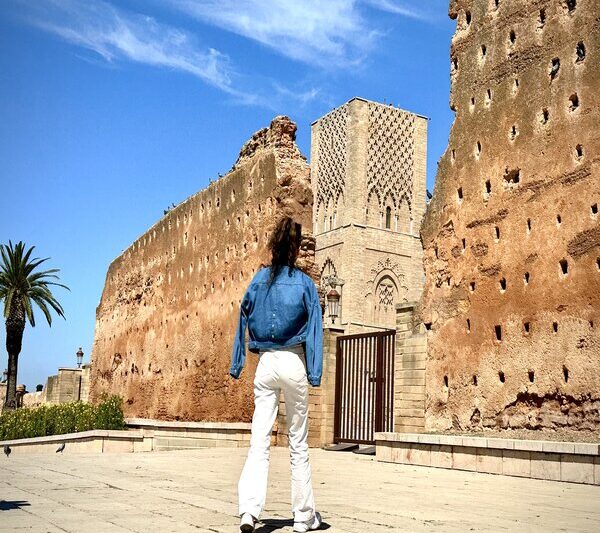
Visit the Kasbah of the Udayas, the Hassan Tower, and the Mausoleum of Mohammed V, before beginning your journey north along Morocco’s Atlantic coast.

Continue toward Asilah, a charming coastal town known for its whitewashed medina, historic walls, and artistic atmosphere.

Enjoy time to explore the medina and coastline before continuing toward Tangier.

Arrive in Tangier in the late afternoon and check in to your accommodation.

Overnight: Tangier
Meals: Breakfast

DAY 03:

Day 03 : Tangier / Tetouan .

After breakfast, discover Tangier, a city shaped by its strategic position between the Atlantic Ocean and Mediterranean Sea.

Explore the historic medina, including the Petit Socco and Kasbah, and learn about Tangier’s multicultural history.

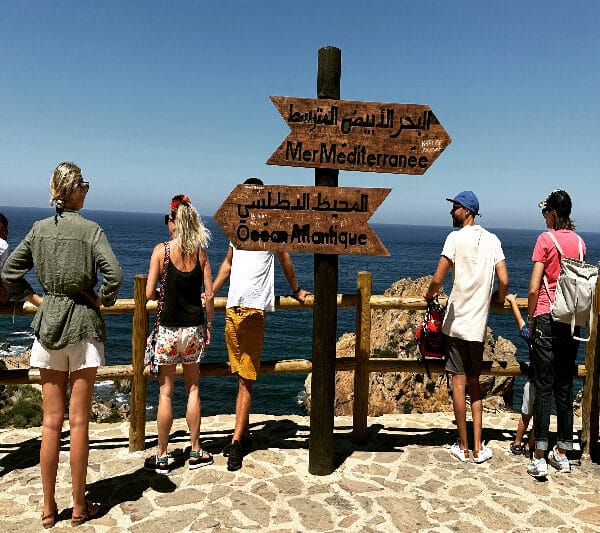
Continue to Cape Spartel, where the Atlantic and Mediterranean meet, followed by a visit to the Caves of Hercules.

After lunch, travel to Tetouan, located at the foot of the Rif Mountains.

Check in to your hotel or riad and enjoy the remainder of the afternoon at leisure.

Overnight: Tetouan
Meals: Breakfast

DAY 04:

Day 04 : Tetouan / Chefchaouen.

After breakfast, explore the historic city of Tetouan.

Visit the UNESCO-listed medina, see the exterior of the Royal Palace, and walk through the historic Mellah, or Jewish quarter.

Tetouan reflects a strong Andalusian influence, particularly in its architecture, arts, and traditional urban design.

After lunch, continue through the Rif Mountains toward Chefchaouen, Morocco’s famous blue-painted mountain town.

Arrive in the late afternoon and check in to your hotel or riad.

Overnight: Chefchaouen
Meals: Breakfast

DAY 05

Day 05 : Explore chefchaouen

Today is dedicated to discovering Chefchaouen.

Walk through the medina's narrow streets and blue-painted buildings, visit the main square of Uta el-Hammam, and explore the local shops and traditional craft stores.

You will have time to enjoy the relaxed atmosphere of the town and discover its distinctive architecture and Rif Mountain setting.

The afternoon can be left flexible for photography, shopping, or a relaxed walk through the medina.

Overnight: Chefchaouen
Meals: Breakfast


DAY 06

Day 06 : Chefchaouen / Volubilis / Meknes / Fes .

After breakfast, leave Chefchaouen and travel toward Volubilis, one of Morocco’s most important Roman archaeological sites.

Explore the ancient ruins with a local guide, including the preserved mosaics, columns, and remains of the Roman city.

Continue to Meknes, one of Morocco’s historic imperial cities.

Visit Bab Mansour, the former imperial quarter, and other important landmarks such as the Heri es-Souani and the Sahrij Souani basin, depending on access and available time.

After lunch, continue to Fes, where you will check in to your hotel or riad.

Overnight: Fes
Meals: Breakfast

DAY 07

Day 07 : Explore Fes .

Today you will discover Fes, one of Morocco’s most important historic and cultural centers.

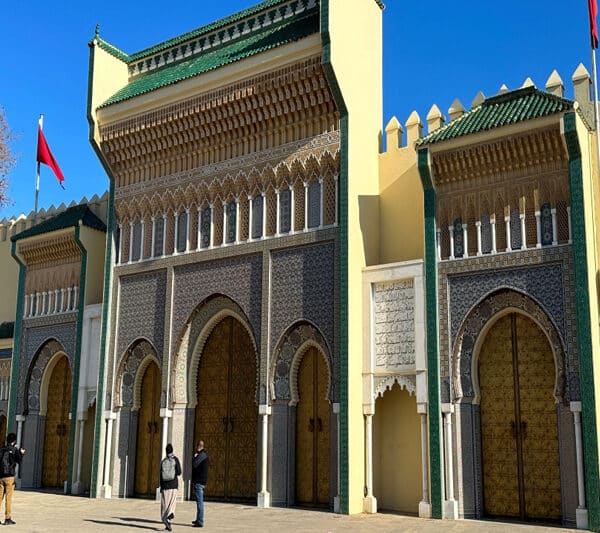
Meet your local guide and begin with the Royal Palace area before continuing to the historic Mellah, the former Jewish quarter.

Enter Fes el-Bali, the ancient medina and UNESCO World Heritage Site.

Explore its narrow lanes, traditional souks, artisan workshops, historic madrasas, fountains, and architectural landmarks.

Visit sites such as Bou Inania Madrasa, the Al Quaraouiyine area, the Nejjarine Fountain, and the traditional tanneries, subject to access and opening conditions.

Enjoy lunch in the medina before continuing to a panoramic viewpoint overlooking Fes.

Depending on time, you may also visit a traditional pottery workshop before returning to your accommodation.

Overnight: Fes
Meals: Breakfast


DAY 08

Day 08 : Fes / Merzouga .

After breakfast, begin your journey south toward the Sahara.

Your first stop is Ifrane, a mountain town known for its alpine-style architecture and green surroundings.

Continue through the Middle Atlas Mountains toward Azrou, where you can visit the cedar forests and, depending on conditions, observe Barbary macaques.

Travel through traditional mountain villages before continuing toward the Ziz Valley, one of the scenic gateways to southeastern Morocco.

Continue through Erfoud and Rissani before reaching Merzouga in the late afternoon.

Check in to your accommodation and enjoy a relaxing evening before your Sahara experience the following day.

Overnight: Merzouga
Meals: Breakfast

DAY 09

Day 09 : Merzouga and camel trek.

After breakfast, discover the landscapes and communities around Merzouga.

Visit Khamlia, a village known for its Gnawa musical traditions, and learn more about the cultural heritage of the local community.

Continue to Dayet Srij, a seasonal lake that can attract migratory birds when water levels allow.

If your visit coincides with a market day, you may also explore the traditional souk of Rissani, held on Tuesdays, Thursdays, and Sundays.

After lunch, return toward Merzouga and prepare for your camel trek into the Erg Chebbi dunes.

Ride through the desert landscape toward your camp, arriving around sunset.

Enjoy dinner and an evening at the camp before spending the night under the desert sky.

Overnight: Erg Chebbi Desert Camp
Meals: Breakfast and dinner

DAY 10

Day 10 : Merzouga / Todra gorges / Dades Valley .

Wake early for the opportunity to watch the sunrise over the Erg Chebbi dunes.

After breakfast, return from the desert camp by camel or, if preferred, by 4WD vehicle.

Continue toward the Todra Gorges, where towering limestone cliffs create one of southeastern Morocco’s most distinctive landscapes.

Depending on conditions and your interests, enjoy a short walk in the gorge before continuing toward the Dades Valley.

The route offers views of dramatic rock formations, traditional villages, and oasis landscapes.

Arrive at your accommodation in the Dades Valley for the evening.

Overnight: Dades Valley
Meals: Breakfast and dinner

DAY 11

Day 11: Dades Valley / Skoura / Ouarzazate

After breakfast, continue through the Dades Valley toward Kalaat M’Gouna, known for its rose-growing traditions.

Continue to the Skoura Oasis, surrounded by palm groves and historic kasbahs.

Visit Amridil Kasbah, one of the best-known examples of traditional southern Moroccan architecture.

Continue toward Ouarzazate, where you may visit Taourirt Kasbah or a film studio if time permits.

Ouarzazate has a long association with international film and television productions and serves as an important gateway between the High Atlas and southern Morocco.

Overnight: Ouarzazate
Meals: Breakfast and dinner

DAY 12

Day 12: Ouarzazate / Aït-Ben-Haddou Ksar/ Taroudant

After breakfast, travel toward Aït Ben Haddou, a historic fortified settlement and UNESCO World Heritage Site.

Explore its traditional earthen architecture and learn about its history as part of the historic caravan routes of southern Morocco.

Continue through Taznakht toward Taliouine, a region particularly associated with saffron cultivation.

Depending on the season and availability, you may visit a local saffron cooperative to learn about saffron production.

Continue to Taroudant, a historic walled town in the Sous Valley known for its traditional souks and ramparts.

Overnight: Taroudant
Meals: Breakfast and dinner

DAY 13

Day 13: Taroudant / Agadir / Essaouira

After breakfast, explore some of the highlights of Taroudant before continuing toward the Atlantic coast.

Travel to Agadir, where you will have time for lunch and a walk along the seafront.

Continue north toward Essaouira, traveling through landscapes associated with the argan tree.

Depending on the route and conditions, you may have the opportunity to stop at a local women's argan cooperative.

Arrive in Essaouira in the late afternoon and check in to your hotel.

Overnight: Essaouira
Meals: Breakfast


DAY 14

Day 14: Explore Essaouira

Today you will discover Essaouira, a historic Atlantic port city and UNESCO World Heritage Site.

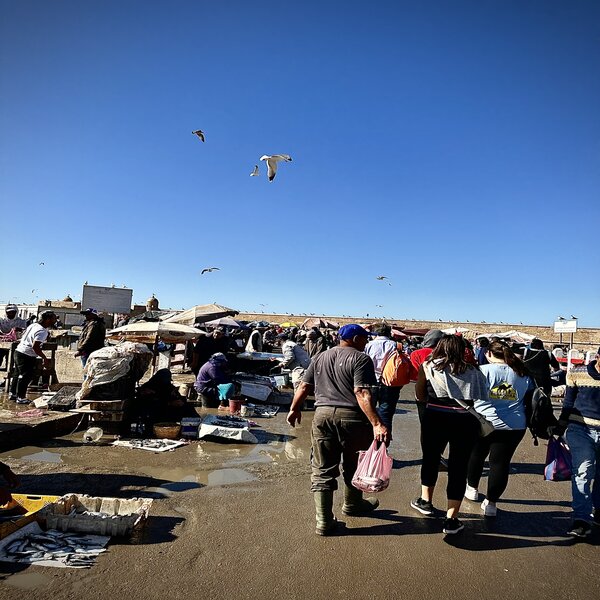
Explore the Skala de la Kasbah, the historic medina, and the fishing port.

Walk through the medina's narrow streets and discover local artisans, galleries, traditional shops, and workshops specializing in thuya wood craftsmanship.

Enjoy time at the port or along the beach before spending the afternoon at leisure.

Essaouira's relaxed atmosphere and coastal setting provide a welcome contrast to the mountains and desert landscapes experienced earlier in the journey.

Overnight: Essaouira
Meals: Breakfast

DAY 15

Day 15: Essaouira / Marrakech

After breakfast, enjoy some free time in Essaouira before departing for Marrakech.

The journey takes approximately three hours, with opportunities to stop along the way and learn more about the region's argan trees and traditional argan-oil production.

Arrive in Marrakech and check in to your accommodation.

The remainder of the day is free to relax or begin exploring the city independently.

Overnight: Marrakech
Meals: Breakfast

DAY 16

Day 16: Exploring Marrakech

After breakfast, meet your local guide for a full day exploring Marrakech.

Visit the historic medina and discover landmarks including the Saadian Tombs, Bahia Palace, Ben Youssef Madrasa, Koutoubia Mosque, and Jemaa el-Fnaa.

Explore the traditional souks and discover Moroccan craftsmanship, textiles, spices, ceramics, and other local products.

After lunch, continue to the Majorelle Garden and explore the modern side of Marrakech.

Return to your accommodation in the late afternoon.

Overnight: Marrakech
Meals: Breakfast


DAY 17

Day 17: Departure

After breakfast, and depending on your flight schedule, your private driver will transfer you to Marrakech or Casablanca Airport.

Your 17-day Morocco journey ends with our assistance at the airport.

Meals: Breakfast
More about agadir

More about Aït-Ben-Haddou

Aït-Ben-Haddou or Aït Benhaddou is located about 25 kilometers from Ouarzazate.  Known to the region’s native Berbers as a ksar, the village lies on the former caravan route between Marrakesh and the Sahara Desert linking ancient Sudan to Marrakesh by the Dra Valley and the Tizi-n'Telouet Pass.  It dates from the 17th century and was one of the many trading posts on this commercial route. The Ksar of Aït Benhaddou, now a UNESCO World Heritage Site, is a striking example of southern Moroccan earthen clay architecture.  It is the largest site of its kind in Morocco and one of the most photogenic and historically fascinating sites in Morocco.  Today Aït Ben Haddou still houses some Glaoui family members of the Glaoua (Glawa) tribe of the Berbers of southern Morocco.  Aït Benhaddou is also a must-see destination for film buffs as it has been a location for many movies including The Gladiator and Star Wars.  Contact Moroccan Meta Adventures for a fabulous day tour.

More about Asilah

Asilah is a beautiful Moroccan town south of Tangier on the Atlantic coast.  It is a city of colors and a city of peace.  The amazing old medina is enclosed by well-preserved 15th century ramparts and gates built by colonial Portuguese.  The medina is an art hub, known for its murals and annual International Cultural Festival.  It is one of the renowned arts and culture events in the world.  Visitors to Asilah come to see international artists re-paint the murals every year on the whitewashed houses in the medina.  If you are interested in participating in famous cultural gatherings, contact Morocco Meta Adventures to plan your visit to the Cultural Moussem of Asilah Festival.

More about Atlas Mountains

The mountain range in the Maghrib area of North Africa stretches around 2,500 km (1,600 mi) through Morocco, Algeria and Tunisia.  The mountain range has different names in each country, but in Morocco they are known as the Atlas Mountains.  They are subdivided into three ranges, the Middle Atlas, the High Atlas and they Anti-Atlas.  These mountains separate the Mediterranean Sea and the Atlantic Ocean from the large Sahara Desert.  The highest peak with an elevation of 4,167 meters (13,671 ft) is Toubkal, is in central Morocco south of Marrakech. The Atlas Mountains are primarily inhabited by the native Moroccan Berbers.  In the Berber language the words for 'mountain' are adrar and adras.  The mountains are also home to several animals and plants found mostly in Africa, but some are also found in Europe. The weather is cooler than other part of Morocco but has sunny summers, with an average temperature there is 25°C.  The Atlas Mountains are the meeting place of two different kinds of air masses—the humid and cold polar air masses that come from the north and the hot and dry tropical air masses that move up from the south.  Therefore, they create a geographic obstacle stopping humidity from reaching the southern areas and stopping the hot dry winds from the Sahara Desert.  As a result, the northern area is cooler and more fertile.  The Atlas Mountains give Morocco a beautiful and diverse contrast of landscapes throughout the country. You should not miss the opportunity to experience this fascinating area of Morocco.  With Morocco Meta Adventures you will see the best of the country.  Don’t hesitate to contact us.

More about Casablanca

Casablanca, the port city on the Atlantic Ocean is the economic capital of Morocco. This s the largest and busiest city in the country and the commercial hub of western Morocco.  The Port of Casablanca is one of the largest artificial ports in the world.  The Hassan II Mosque, which stands partly over the ocean was completed in 1993.  It is one of the largest and most ornate mosques in the world.  It has a 210-meter minaret topped with lasers directed toward Mecca.  The city's handsome Moorish buildings, which meld French-colonial design and traditional Moroccan style, are best admired in the downtown area. Visitors who spend time in the Quartier Habous or Nouvelle Medina (the New Medina) built by the French in the 1930’s or in the beachside suburb of Ain Diab, are sure to get into the local swing of things.  This old pirate lair, now a modern city, is looking towards the future.  But it also embraces the European-flavored urban sophistication that has underpinned life here for the past century. This city is certainly worth a visit. With Morocco Meta Adventures you will see the best of the country.  Don’t hesitate to contact us.

More about Chefchaouen

The city of Chefchaouen was founded in 1471 as a small kasbah by Ali ibn Rashid al-Alami, a descendant of Abd al-Salam ibn Mashish al-Alami and Idris I. Al-Alami The name "Chefchaouen"  originates from Berber.  The Berber word isakon or echaouen which means 'the horns', The word chef which means 'look at'.  Therefore, Chefchaouen thus means 'look at the horns' referring to the two mountain peaks overlooking the area. Nowadays, "the Blue Pearl" of Morocco, is known for its traditional houses painted in blue and white.  Beautifully perched beneath the two peaks of the Rif mountains, Chefchaouen is one of the prettiest towns in Morocco, an artsy, blue-washed mountain village that feels like its own world.  While tourism has taken hold, the balance between ease and authenticity is just right. The old medina is a delight of Moroccan and Andalusian influence with red-tiled roofs, bright-blue buildings and narrow lanes converging on the busy Plaza Uta El Hammam and its restored kasbah.  Chefchaouen is an amazing town that you should not miss. Come on a tour with Morocco Meta Adventures to see the best of the country.

More about Dadès Valley

he Dadès Valley is one of the stunning valleys in the south of Morocco.  From the daunting High Atlas in the north to the rugged Jebel Saghro range south, the valley is dotted with oasis and mudbrick palaces.  As a result, the region has the fairy tale nickname - Valley of a Thousand Kasbahs.  Some of the best views are only glimpsed when travelling on foot along the hidden livestock tracks. These tracks are between the Dadès and Todra Gorges or nomad routes across the Saghro Massif. The area, which now forms the Dadès Gorges, lay at the bottom of the sea millions of years ago.  Great quantities of sediment were deposited around giant coral reefs.  Over time this material became compacted into a variety of sedimentary rocks such as sandstone and limestone. Eventually, the movement of the earth's crust caused the region to rise above the sea, forming the Atlas Mountains and surrounding landscape. Today, the Dades Valley attracts many professional photographers from all over the world. To take your own stunning photos add the Dadès Valley to your list with Morocco Meta Adventures.

More about Desert (Sahara)

The Sahara Desert is like nowhere else on earth.  The name comes from the Arabic word ‘sahra’ which means desert.  This largest hot desert in the world covers one third of the African continent.  It is exquisite in detail, from a white sand sea to an orange sand dune sculpted to perfection by the wind.  But it also has Earth’s most hostile environment, dry and hot in the summer and cold in the winter.  As a result, there is no vegetation in the desert.  This desert of Morocco is a stunning place that makes you appreciate the beauty of the country.  Visit the Sahara Desert with Morocco Meta Adventures for a once in a lifetime experience.

More about Erfoud

Erfoud is a destination for filmmakers. This is due to the beauty of the surrounding Sahara Desert and the oasis in the area.  It has been a location for many films, including Spectre (James Bond), The Mummy and many others.  Erfoud is also known for fossils dating back millions of years and the photogenic ancient Ksar M’Aadid, 5km north of town.  The souq at the southern end sells local dates and fresh produce.  In October the town has a popular date festival, with dancing and music.  Make sure Erfoud is on your bucket list with Morocco Meta Adventures to see the best of the country.

More about Erg Chebbi

Erg Chebbi is the name of the beautiful sand dunes near Merzouga.  They span an area of 28km from north to south and 7 to 8 km from the Algerian border to the west.  The great sand sea is extraordinarily scenic and constantly changing shape with the desert winds. The rose-gold dunes, reaching to heights of 160m, rise dramatically above a pancake-flat, grey hamada (hard-packed rocky desert).  As the sun sets, the dunes turn stunning shades of orange, pink and purple   Erg Chebbi is one of Morocco 's several ergs, or large seas of dunes, formed by wind-blown sand.  This area is beautiful to visit and to experience the wonders of the desert.  Let Morocco Meta Adventures be your guide on an amazing adventure.  

More about Essaouira

Essaouira lies on the crossroads between two tribes: the Arab Chiadma to the north and the Haha Berbers in the south.  Add to that the Gnawa, who came originally from further south in Africa, and the Europeans, and you have a rich cultural mix. Essaouira, called Mogador until 1960, is known as the `Wind city of Africa`.  As a result, it attracts surfers, windsurfers and kite surfers all taming the waves between April and November. Visitors to the Essaouira enjoy the many attractions of this laid back beautiful coastal town.   And Essaouira's medina, a UNESCO World Heritage site is an exceptional example of a late-18th-century fortified town. The ramparts, called Scala de la Kasbah, around the medina are impressive as they're built on the seaside cliffs.  Along the ramparts, there are old cannons from the 16th century lined up and pointing out over the Atlantic Ocean.  If you watched The Game of Thrones, this sight will be familiar.  Stroll along the ramparts and look over to the Purpuraires Island to see birds hovering above this nature reserve.  Or just relax and watch the sun set over the Atlantic. Wander through the spice-scented lanes and palm-lined avenues of the Essaouira`s fortified medina. Later, browse the many art galleries and boutiques of handcrafted goods.  And finally, watch artisans carve from Thuya, a local native cedar wood. The port of Essaouira is a busy working port filled with fishing boats.  Here you can see the nets being repaired and the daily catch being sold every afternoon to restaurants around the harbor area.  Then buy your choice of fish and take it to your favourite restaurant to be cleaned and cooked for you. Essaouira is rated as the most beautiful city in Morocco by UNESCO.  And the beaches surrounding Essaouira are rated as blue flag meaning they have met high environmental and quality standards.  Therefore, make your visit to this beautiful city a memorable one with Morocco Meta Adventures.  Contact us to arrange your tour.

More about Fez (Fes)

Fez (Fes) is the spiritual and cultural capital of Morocco.  It is known for its famous medina of which there are two parts.  One is Fes el-Bali, the site of the famous Qarawiyyin University and the Zawiya of Moulay Idris II, important religious and cultural sites.  The other is Fez el-Jdid, the site of the 195-acre Royal Palace.  Both sites are linked together and referred to as the Medina of Fes.  In 1981, UNESCO designated the Medina of Fes, a World Heritage site, and described it as "one of the most extensive and best conserved historic towns of the Arab-Muslim world".  Fes is the first site in Morocco to be granted this status. This enchanting labyrinth of alleyways remain much as they did centuries ago.  During its heyday, Fes attracted scholars and philosophers, mathematicians and lawyers, astronomers and theologians.   As a result, craftsmen built them houses and palaces.  Then kings endowed mosques and medrasas (religious schools).  And finally, merchants offered exotic wares from the silk roads and sub-Saharan trade routes. The Medina of Fes is maybe the world’s largest car-free urban area.  Here you will see only carts pulled along cobbled lanes by donkeys, horses or people.   This medina is a feast for all the senses.  The vibrant souks with their handcrafted works of art, the vendors hawking their wares and the incredible architectural details in the many buildings offer a never-ending display to the visitor.  As well, there is the Chouara Tannery, one of the most popular attractions in Fes. Although Fes lost its influence at the beginning of the 19th century, it remains a supremely self-confident city whose cultural and spiritual lineage enchants visitors.  Soak in the old-world atmosphere of this living museum on your visit.   Contact us and let Morocco Meta Adventures be your guide in Fes.

More about Ifrane

The town of Ifrane is referred to as ‘’ the Switzerland of Morocco ‘’ because of its alpine style architecture and nearby slopes and forests.  The French built Ifrane in the 1930’s deliberately trying to recreate an alpine style resort.  It is a beautiful and charming area with neat red roofed houses, blooming flower beds and lake studded parks.  It's a perfect place to picnic in the summer or to ski and throw snowballs in the winter.  Most of the cafes and hotels are clustered in the center of the town.  Ifrane has a completely different look from than the rest of other towns around the country and is definitely worth a visit.  With Morocco Meta Adventures you will get to see the best of the country.  Don’t hesitate to contact us to arrange a tour.

More about Imperial Cities

Morocco has four historical capital cities, referred to as the Imperial Cities.  Each one of them, at one point has been the capital of Morocco.   And although each one has ancient medinas and royal palaces, they also have their own unique vibe.  Rabat, the current capital of Morocco, has beautiful European style boulevards but a laid-back coastal feel and Meknes is small yet chaotic.  The cultural Fes is known for its famous medina and the red city of Marrakech, the pearl of the south is a bustling energetic city with the famous square, Jemaa el-Fna at its center.  On a Morocco Meta Adventures tour, you will experience each of these four cities. Contact us to offer you the best of Morocco.

More about Marrakech

Marrakech or Marrakesh is the major economic center of central Morocco.  One of Morocco’s four Imperial Cities, it lies in the center of the fertile, irrigated Haouz Plain, south of the Tennsift River.  Marrakech, known as the Pearl of the South or the Red City is a r and home to mosques, palaces and gardens. The ancient section of the city, known as the medina, was designated a UNESCO World Heritage site in 1985.  This medina is the largest traditional market in Morocco.  With mazelike alleys thriving souks (marketplaces) sell traditional textiles, pottery and jewelry.  This densely packed medina, surrounded by packed clay ramparts with many gates, dates back to the Berber Empire. A symbol of the city, and visible for miles, is the Moorish minaret on the 12th-century Koutoubia Mosque.  It is located just southwest of Jemaa el-Fna, the famous and best known square in Africa. Marrakech is worthy of visit as there so much to see and experience.  Let Morocco Meta Adventures be your guide, so you see the best of this city.  Don’t hesitate to contact us.

More about Meknes

Meknes is one of the four Imperial cities of Morocco.  It still has all the winding narrow medina streets and grand buildings of an Imperial city. The Sultan Moulay Ismail made the city his capital in the 17th century. He endowed the city with extensive fortifications and monumental gates. Bab Mansour, a huge gate with arches and green and white mosaic tiling leading into the former Imperial city was finished after his death. To the south, the Heri es-Souani or royal granaries included vast stables for 12,00 horses. Although an earthquake in in the 18th century caused the roof to collapse it is still possible to visualize the size of the place.  Meknes is one of the beautiful cities in Morocco worth a visit.  Add this Imperial City to your travel plans with Morocco Meta Adventures.

More about Merzouga

Merzouga is a small Moroccan town in the Sahara Desert, near the Algerian border. It is known as the gateway to Erg Chebbi, a huge expanse of sand dunes north of the town.  Although small, Merzouga attracts millions of people from all over the world who want to experience the desert sands of Erg Chebbi.  Nearby is Dayet Srji, a seasonal saltwater lake that’s often dry in summer.  When full, it attracts a wide range of migratory and desert birds, including desert warblers, Egyptian nightjars, and flamingos. With Morocco Meta Adventures you will have an adventure of a lifetime.

More about Ouarzazate

Moroccans cannot say the word Ouarzazate without a feeling of relief and relaxation.  In the Berber language it’s a phrase meaning ‘’without noise ‘’.  Geographically, Ouarzazate is south of Morocco’s High Atlas Mountains and known as a gateway to the Sahara Desert.  The huge Taourirt Kasbah, once occupied by the last Berber chieftain El Glaoui Et-Hami in the late 19th century, has been featured in several movies. The kasbah has views over the rugged local landscape. To the northwest is the fortified red-earth city of Aït Ben Haddou and northeast is the rocky Todra Gorges.  A road winds southeast through the Draa Valley’s groves of lush palm trees to the desert.  There so much beauty around this area it is worth a visit.  To see the best of the country, put Ouarzazate on the list of places to see with Morocco Meta Adventures.

More about Rabat

Rabat is Morocco’s political and administrative capital.  It is a cultural city deep-rooted in history but also with plenty of charm.  Rabat is an eco-responsible capital with clean, well-kept palm-lined boulevards and many beautiful parks.  The city lies along the shores of the Bouregreg River and the Atlantic Ocean.  It's known for UNESCO World Heritage Sites that speak to its Islamic and French-colonial heritage, including the Kasbah of the Udayas.  This Berber-era royal fort is surrounded by formal French-designed gardens and overlooks the ocean. The city's iconic Hassan Tower, a 12th-century unfinished minaret, soars above the ruins of a mosque and the beautiful mausoleum of Mohammed V.  Rabat is a city of contrasts with much to offer visitors.  Add Rabat to your checklist of places to see with Morocco Meta Adventures to experience the best of the country.

More about Tangier

Tangier, known as ‘’the Bride of the North, is a beautiful city in the north of Morocco.   With its close proximity to Gibraltar, it has for centuries been Europe’s gateway to Africa.  Tangiers’ blend of cultures and influences is unique in Morocco as for much of its history it wasn't governed by Morocco.  Built on the slopes of a chalky limestone hill, Tangier has always carried a slightly seedy allure.  Because of its time as a semi-independent international zone it attracted eccentric foreigners, artists and spies.  Officially sanctioned neglect later gave it a dismal reputation, and visitors were often quick to flee its sleaze and hustle. Today, Tangier is the principal port and city of northern Morocco.  It is a great place to visit to experience the different cultures that have combined to make it a fascinating city and a unique destination.  With Morocco Meta Adventures you will get many opportunities to see the best of the country.

More about Tetouan

Tetouan, a jewel of a town, is in a striking location at the foot of the Rif Mountains, but just a few kilometers from the Mediterranean.  The ancient medina, a UNESCO World Heritage Site, looks like it has not changed in several centuries.   Close by is the renovated modern center with its gleaming white Spanish facade.  The city stands on a rocky plateau detached from the southern flank of Mount Dersa. The Roman settlement of Tamuda stood immediately above the present-day city.  Tetouan was inhabited in the 9th century by the Idrīsid dynasty, and in the 14th century was fortified by the Marīnid dynasty.  Its fortress became a corsair stronghold and later destroyed by the Spanish.  In the 16th century, Tétouan was populated by Moorish Andalusian refugees.  Spanish troops captured it in 1860 and again in 1913 when the city became the capital of Spanish Morocco.  There is much in this learn about this beautiful town with its air of authenticity.  Travel with Morocco Meta Adventures to add great value to your visit in Tetouan.

More about Todra Gorges

The Todra Gorges are a series of limestone river canyons in the eastern part of the High Atlas Mountains. They are near the town of Tinerhir.  The road from Tinerhir passes through palm groves and Berber villages until high walls of pink and grey rock close in around the road.  Both the Todra and neighbouring Dades Rivers are responsible for carving out these deep cliff-sided canyons.  The height of the canyon walls can vary, but in some places can be up to 400 meters (1,312 ft) high.  A 300m-deep fault splits the orange limestone into a deep ravine.  At some points it is just wide enough for a crystal-clear river and single-file trekkers to squeeze through. The Todra Gorge is a stunningly beautiful destination for rock climbing or hiking. Many visitors from all over the world are attracted to this place.  Add this destination to your Moroccan travel checklist with Morocco Meta Adventures and see the best of the country.

More about Volubilis

Volubilis is a North African archaeological site, located near Fès in the Zerhoun mountain Plain of Morocco.  Volubilis developed under several civilizations and grew rapidly under Roman rule from the 1st century A.D. onwards until being taken by local tribes about 285.  Sitting in the middle of a fertile plain, this ruined Roman city is the best-preserved archaeological site in Morocco.  The many beautiful mosaics preserved in situ are a highlight of the visit.  In 1997 it was declared a UNESCO World Heritage site.  Volubilis is about 33km north of Meknes and can easily be combined with nearby Moulay Idriss Zerhoun to make a fantastic day trip from Meknes or Fez.   A visit to Volubilis will allow visitors, especially those with an interest in history and adventure, to experience the remnants of Morocco’s ancient past.   Ask Morocco Meta Adventures to arrange your tour.
Embark on the Grand Morocco Journey — 17 Days / 16 Nights and explore the breathtaking beauty of Morocco in comfort.

There are no comments yet.

Write your Review

Your email address will not be published. Required fields are marked *

Close

Grand Morocco Journey — 17 Days / 16 Nights

Duration
17 days 16 nights
Destination
More than 1
Travellers
1+

    Fill out the form to book the Tour. Required fields are marked *


      Enquiry about the Tour availability or anything you’d like to know. Required fields are marked *