Morocco Tours | Private & Small-Group Tours – Morocco Meta Adventures Discover Morocco, Your Way
Explore Morocco with Meta Adventures, a family-run tour company specializing in private and tailor-made journeys. From Marrakech and the Atlas Mountains to the Sahara Desert and Morocco’s historic cities, we offer personalized travel experiences that showcase the country’s rich culture, stunning landscapes, and authentic charm.
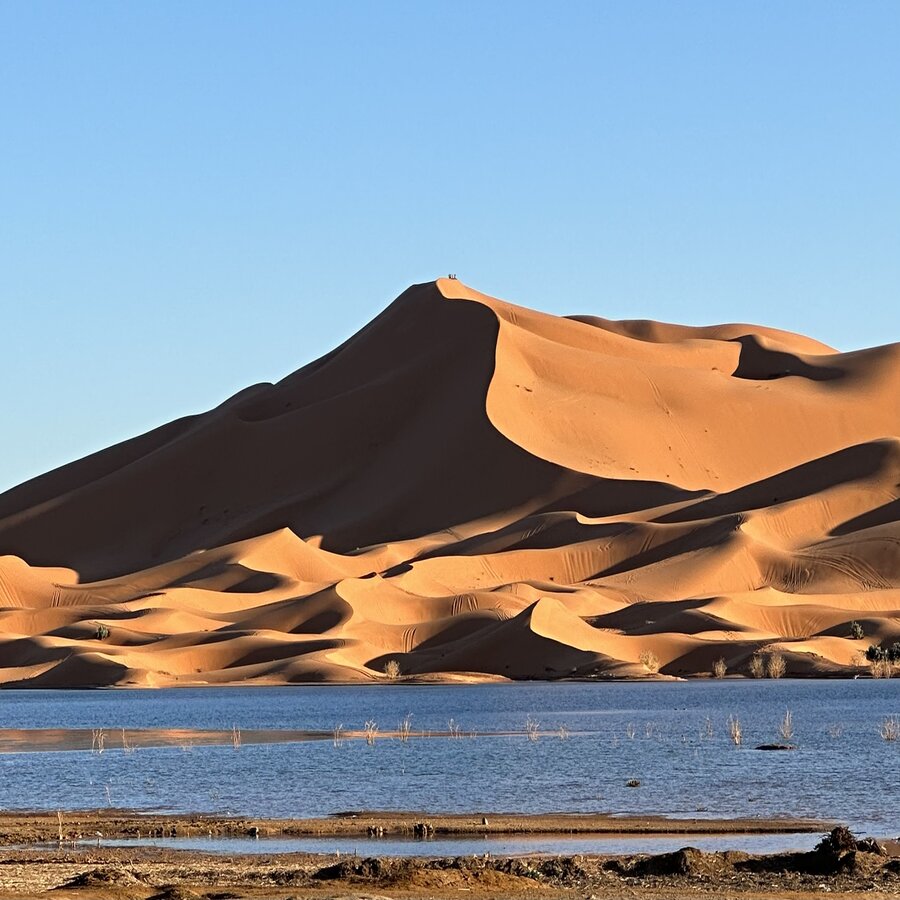

Starting From AnywhereAround Morocco

Starting From AnywhereImperial cities

Starting From MarrakechLuxury Tours

Starting From MarrakechDesert Tours

Starting From MarrakechAll Excursions
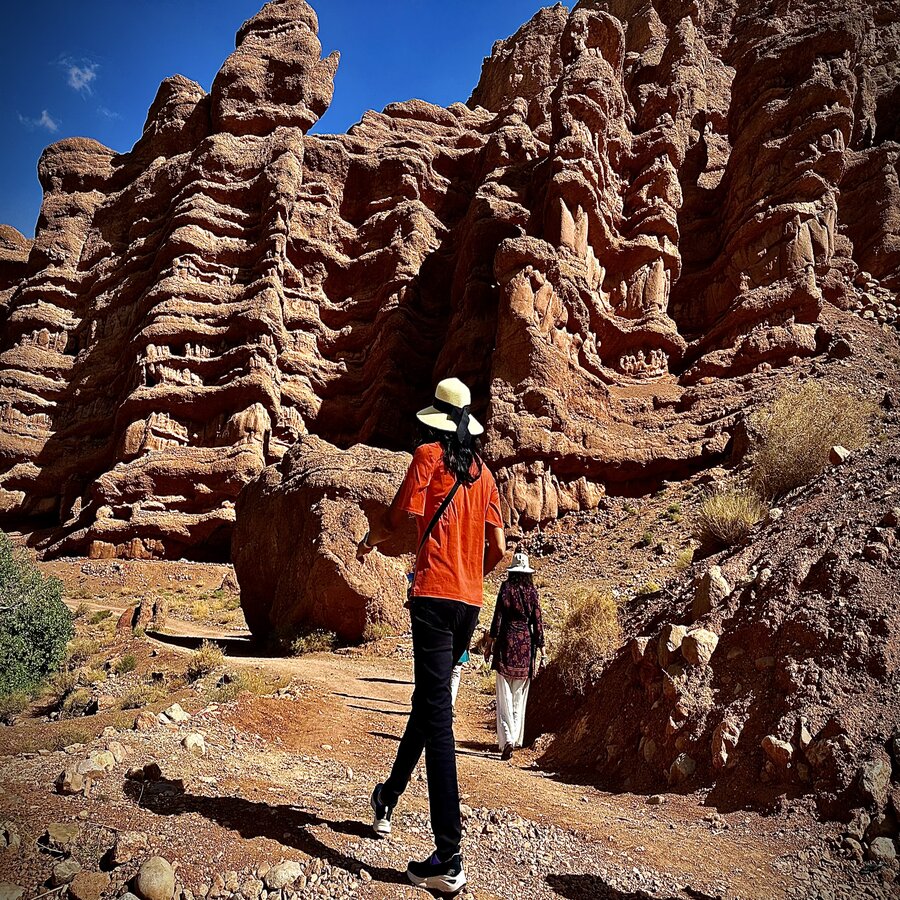
Starting From MarrakechAll Activities
MOROCCO TOURS FROM MARRAKECH & FESGreat Places To Visit
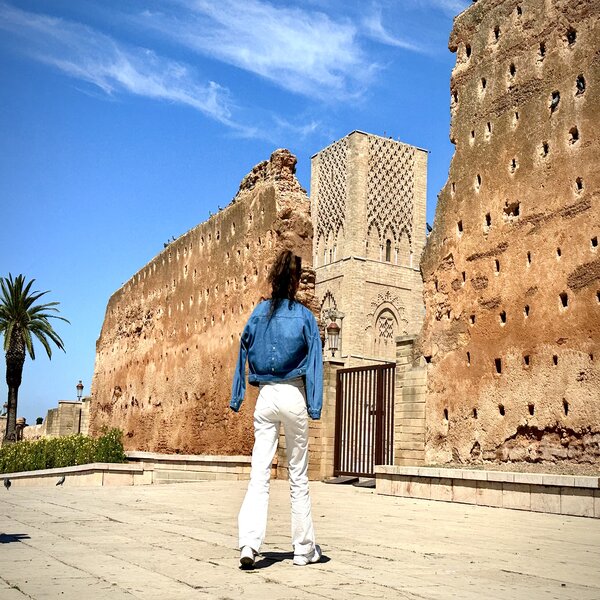
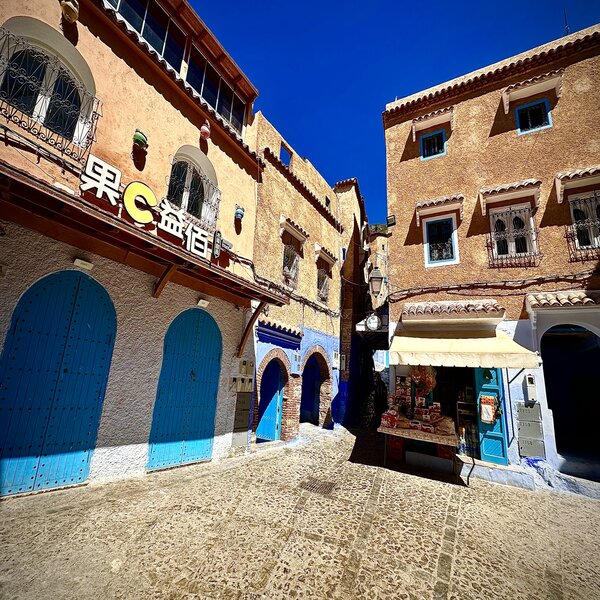
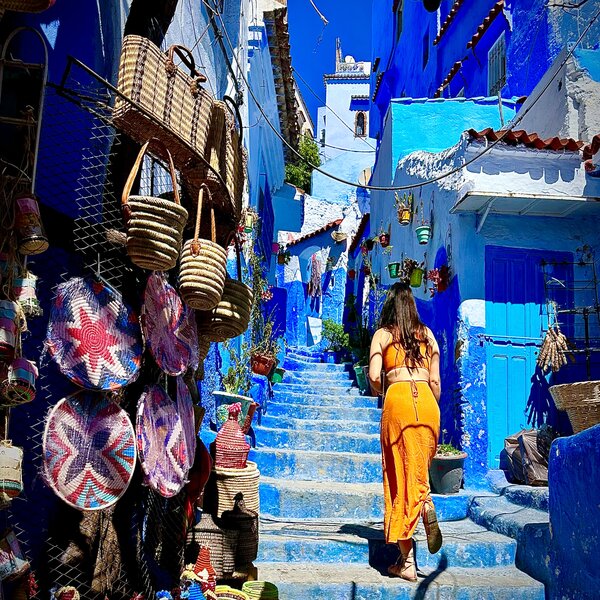
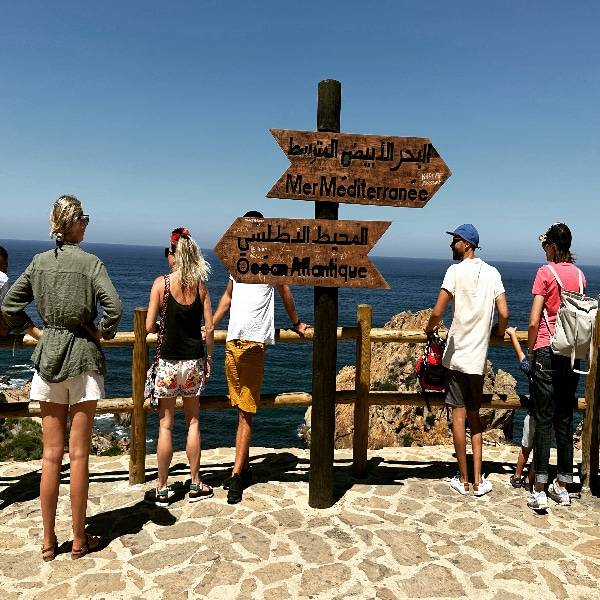
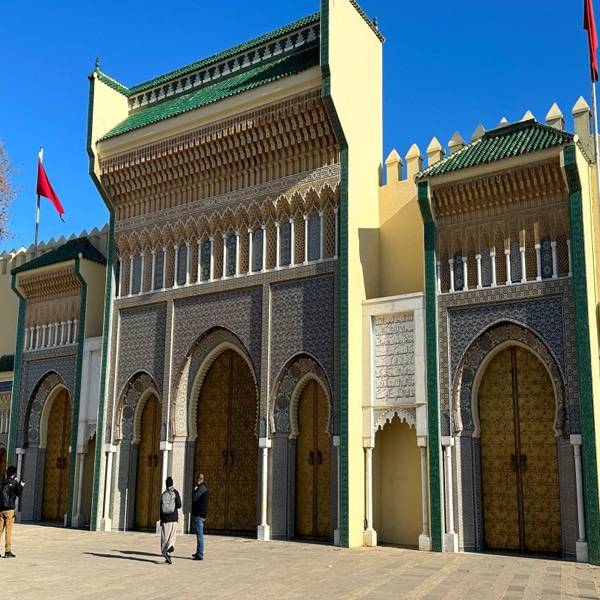
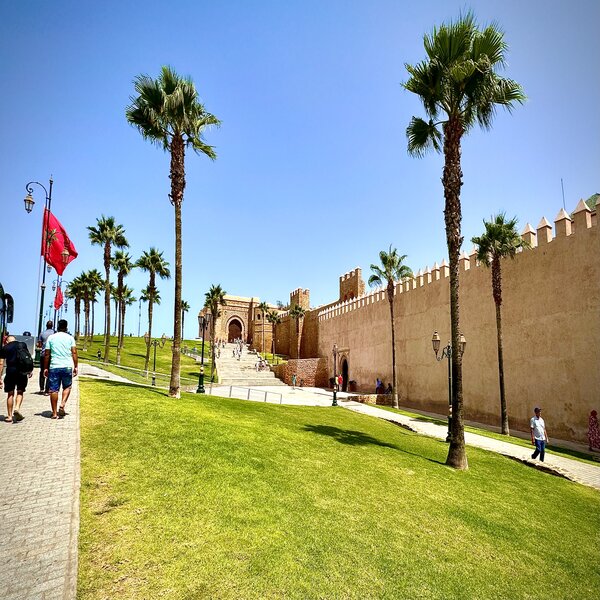
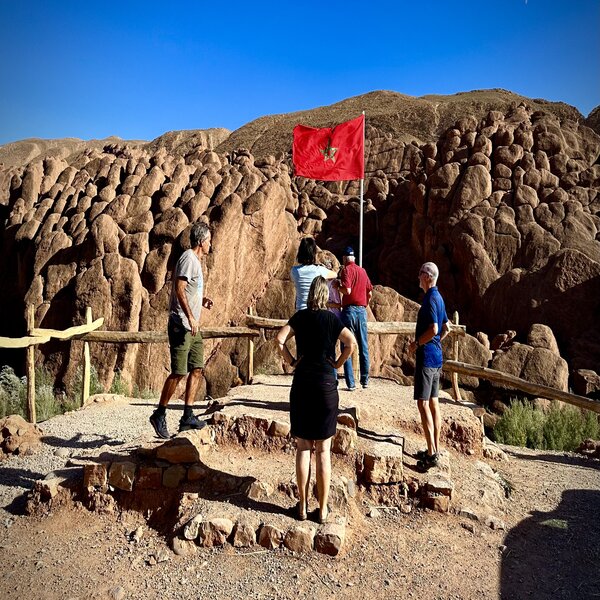
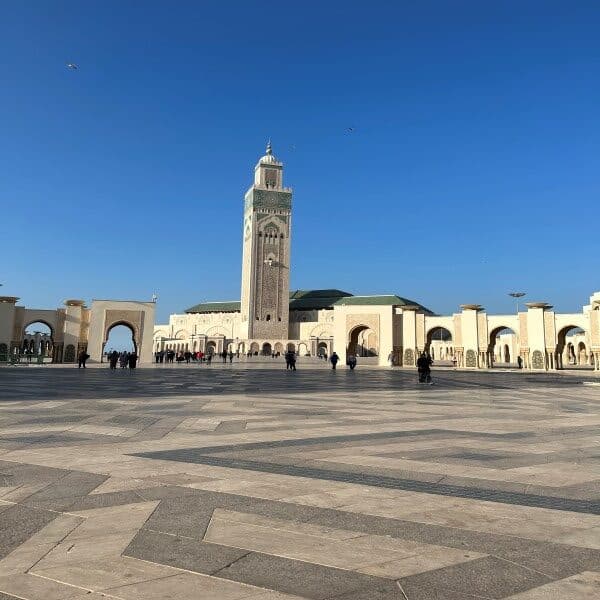
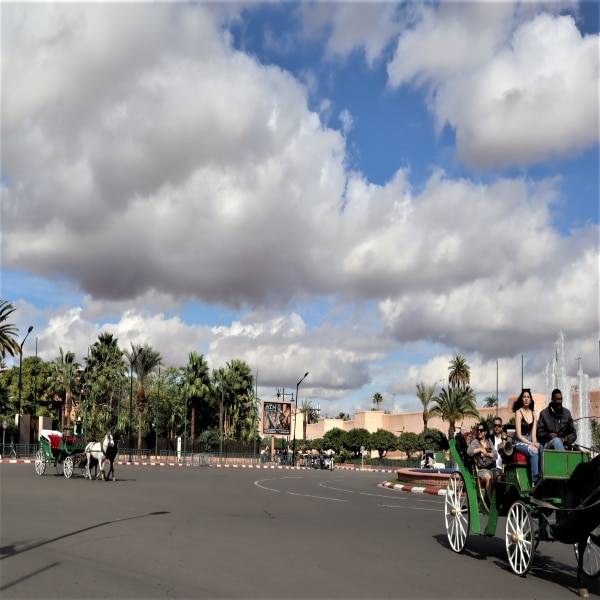
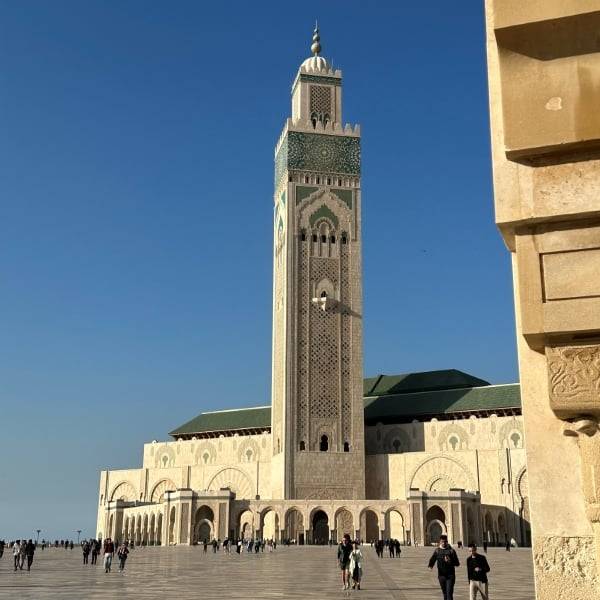
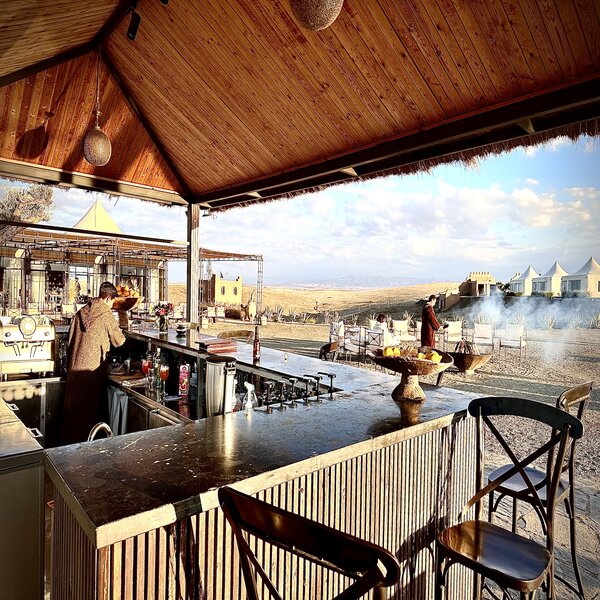
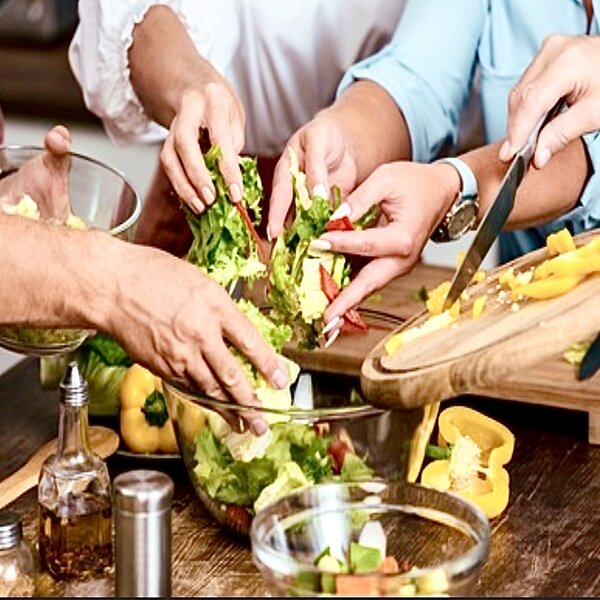
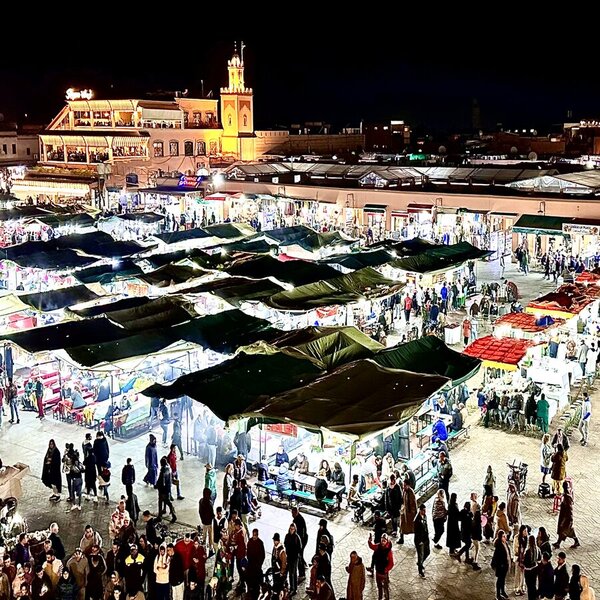
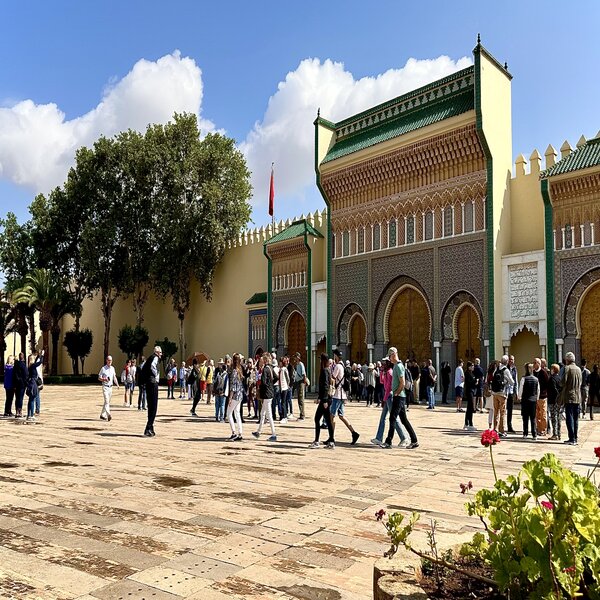
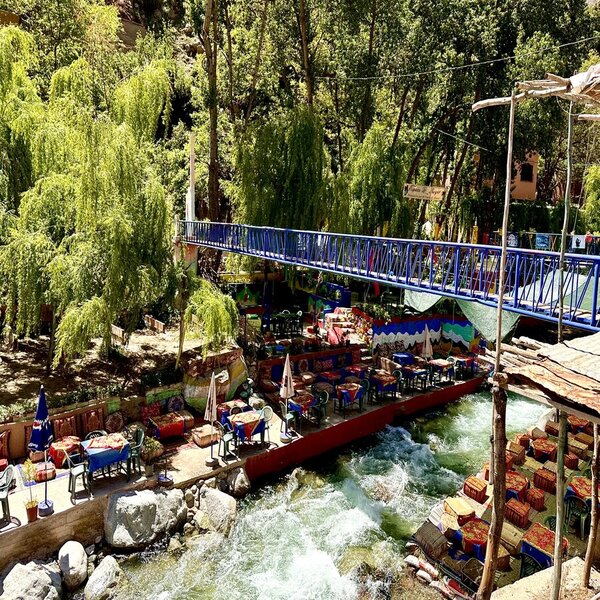
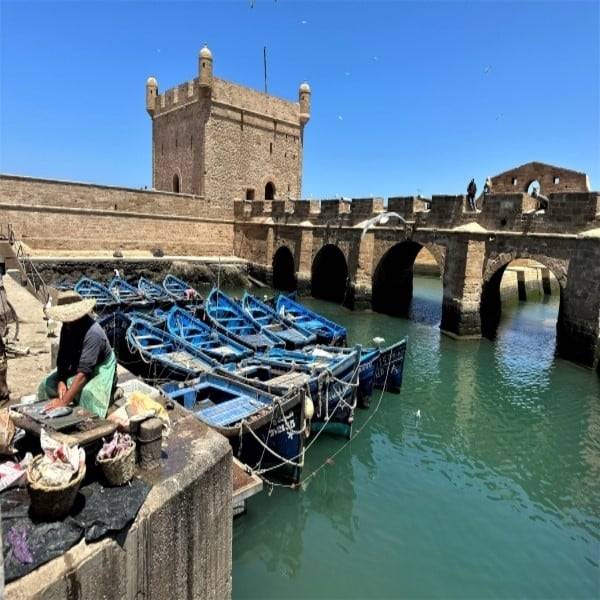

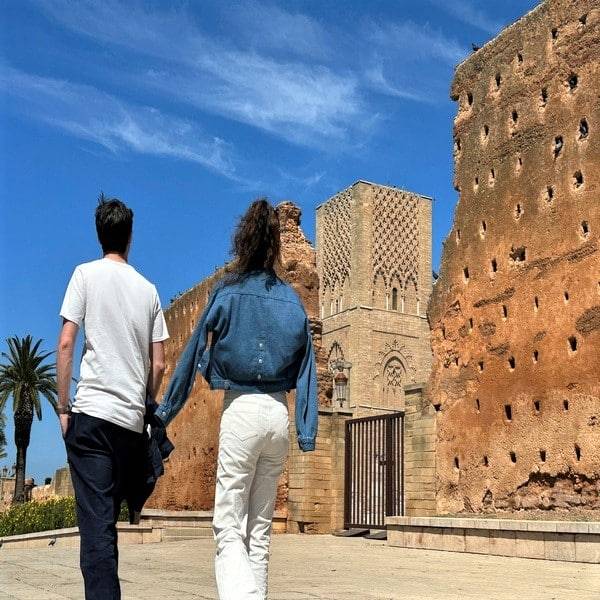
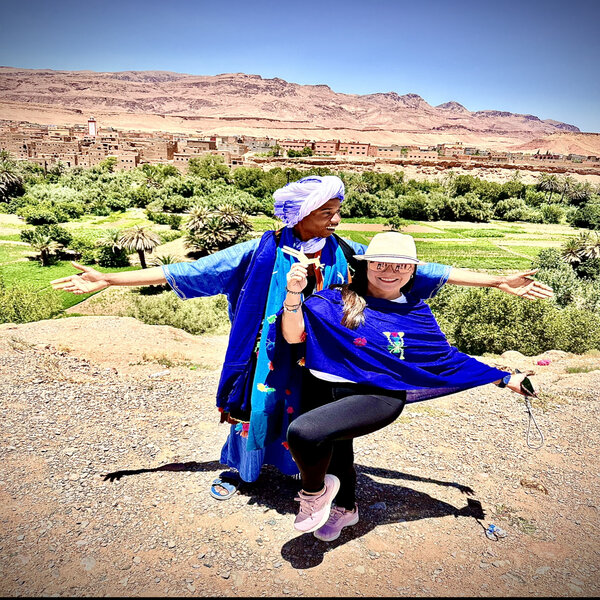


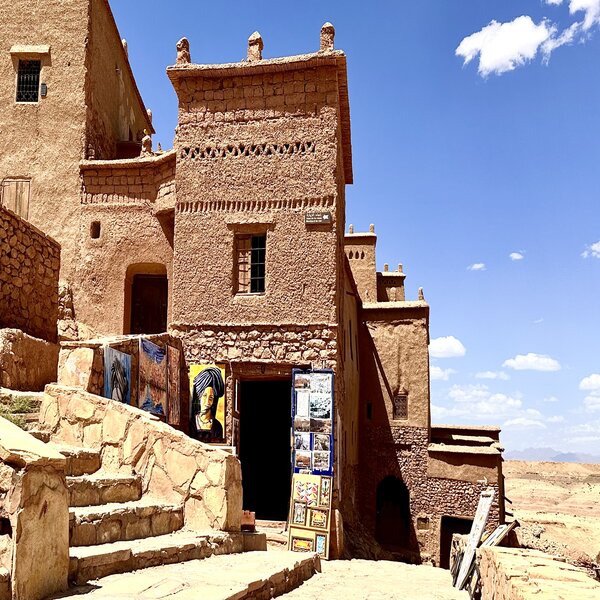
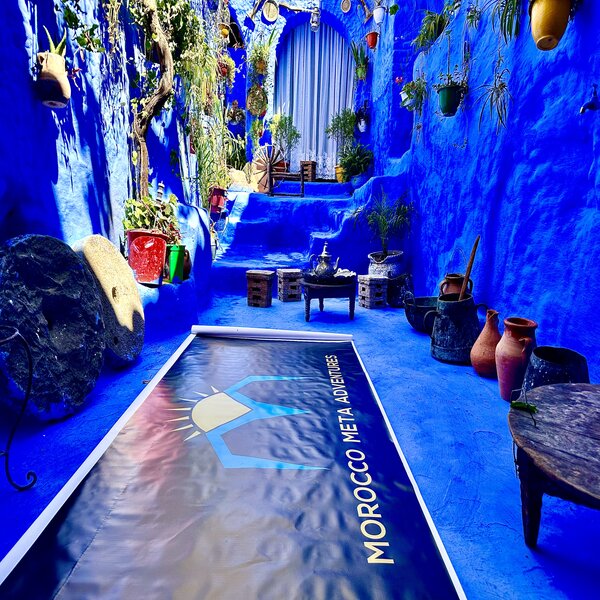
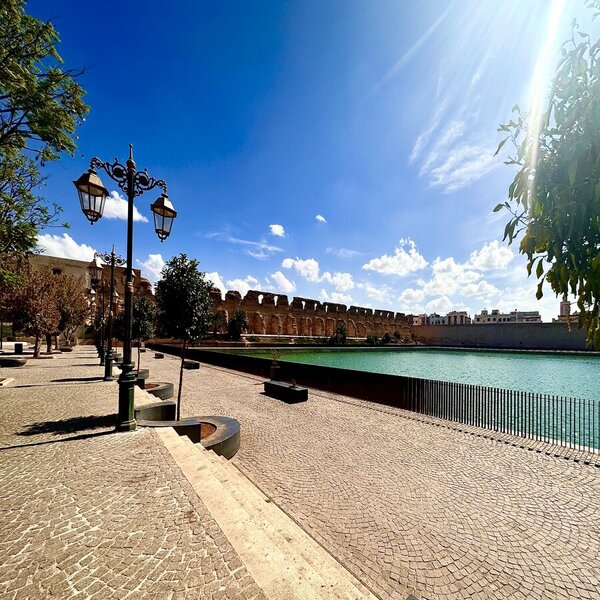
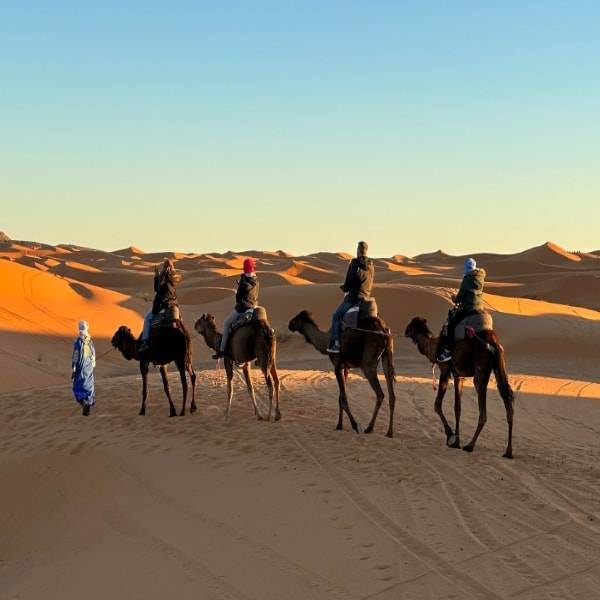
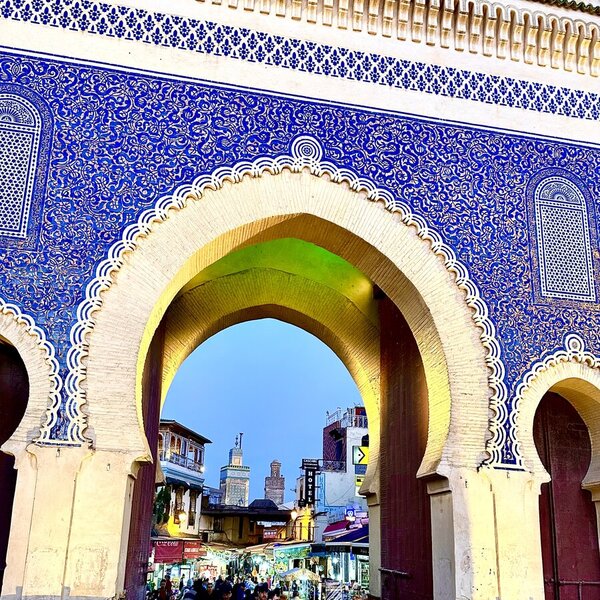
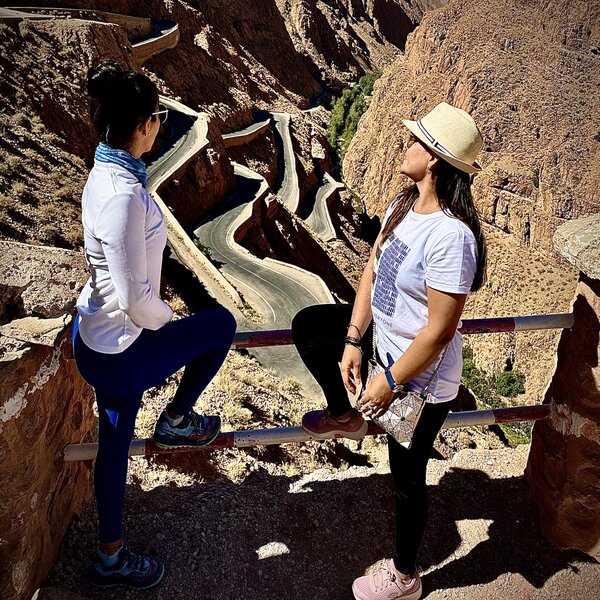
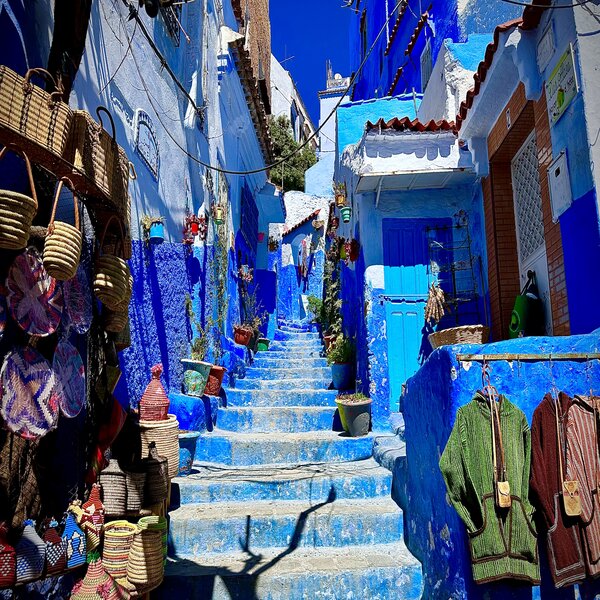
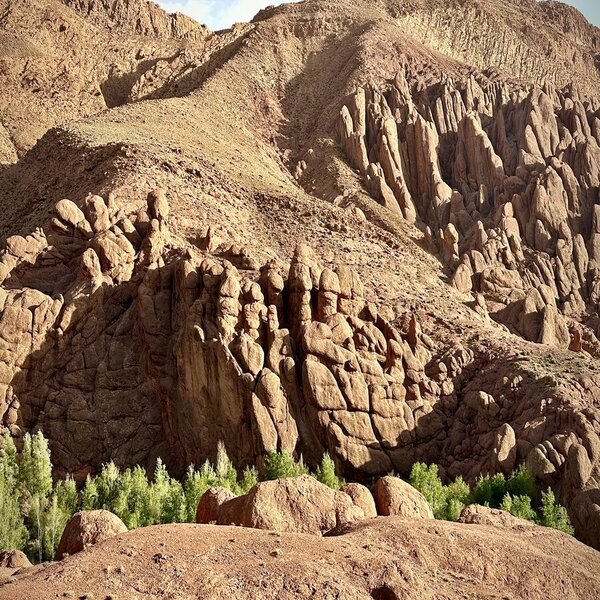
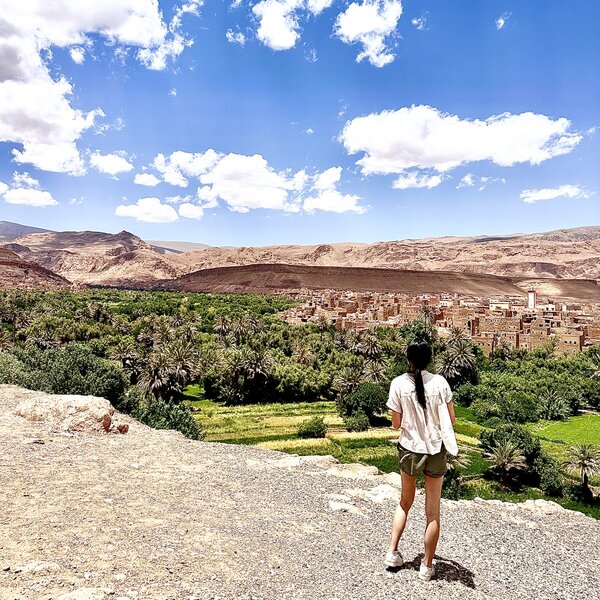
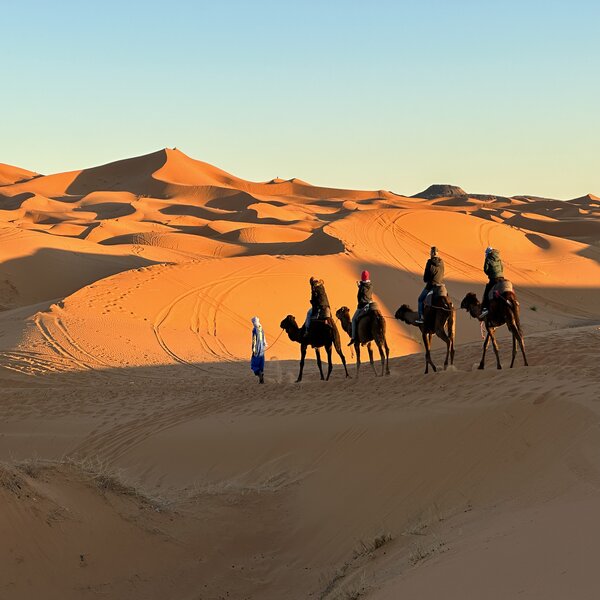
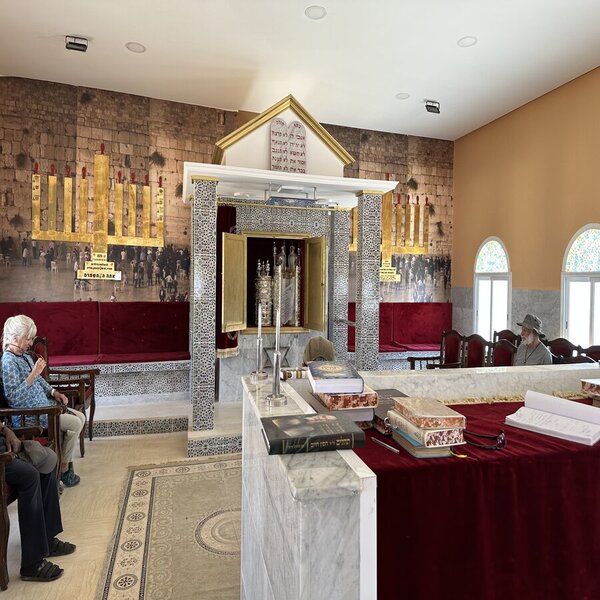
IT'S TIME FOR DISCOUNTSUnique Things To Do!

Marrakech

Rabat

Casablanca
Fes (Fez)

Tangier

Merzouga
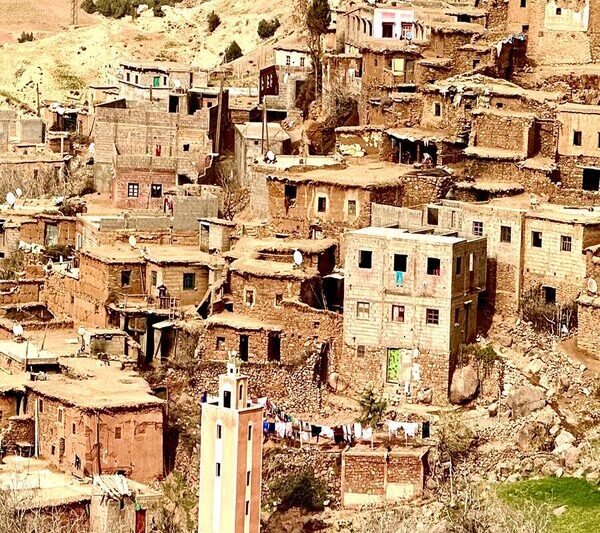
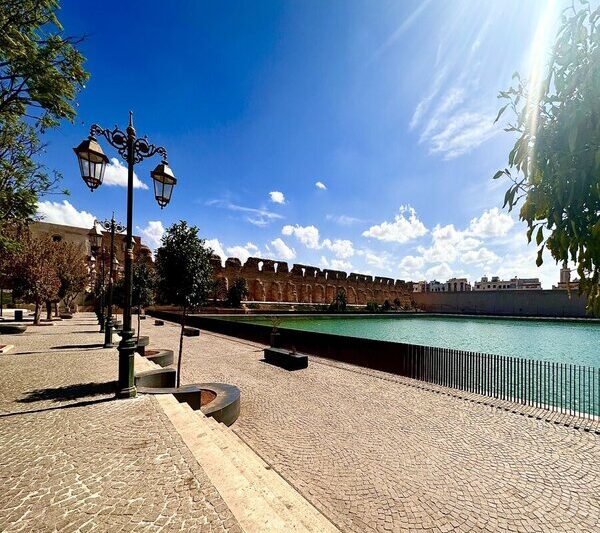
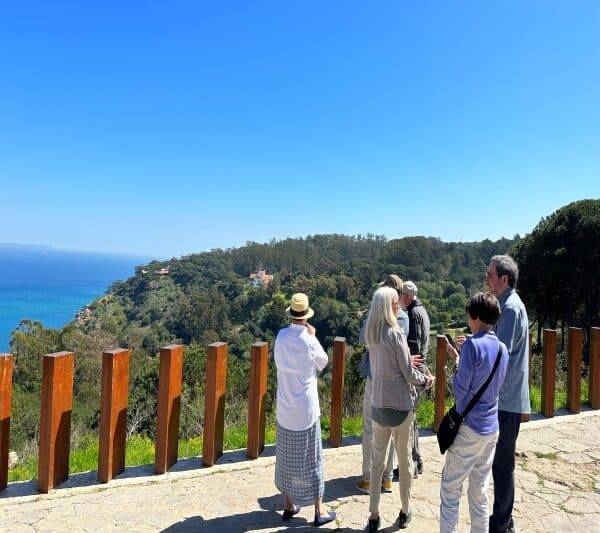

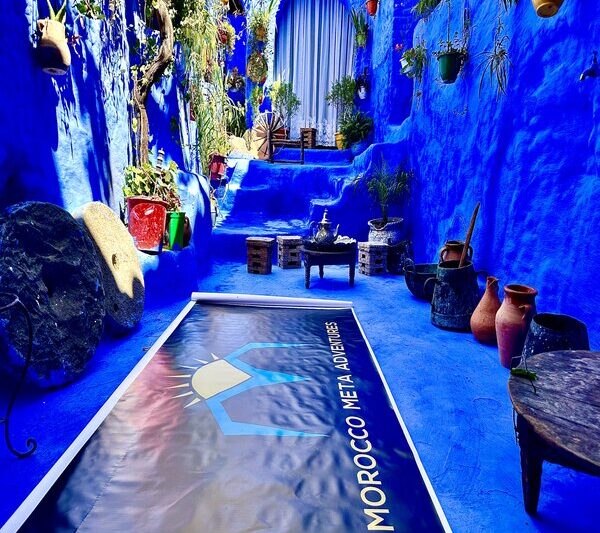
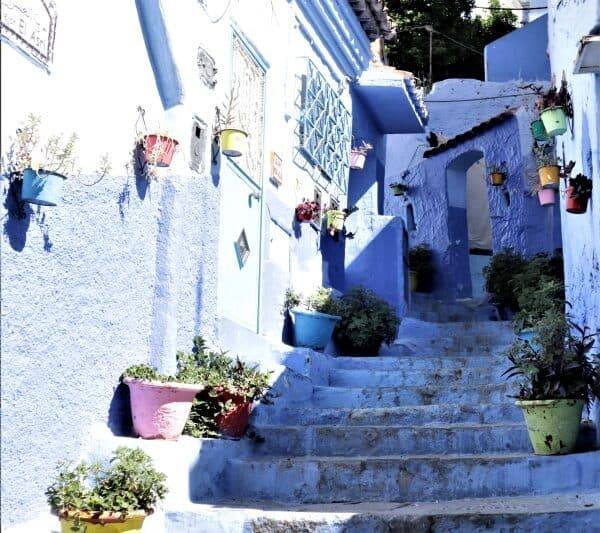
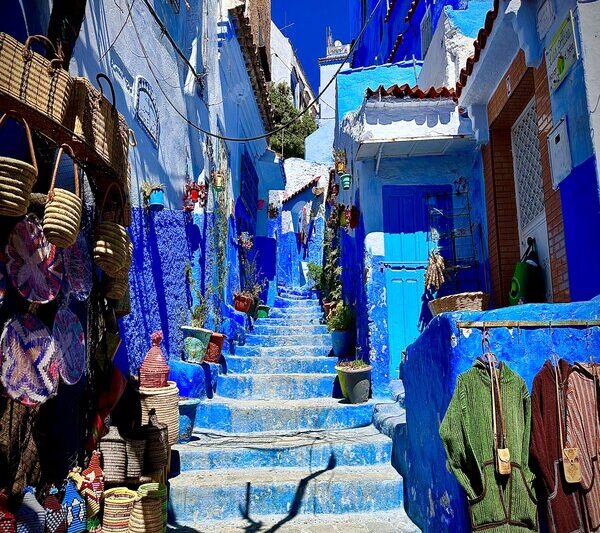
BOOK THEM WHILE THEY'RE HOTOur Luxury Tours
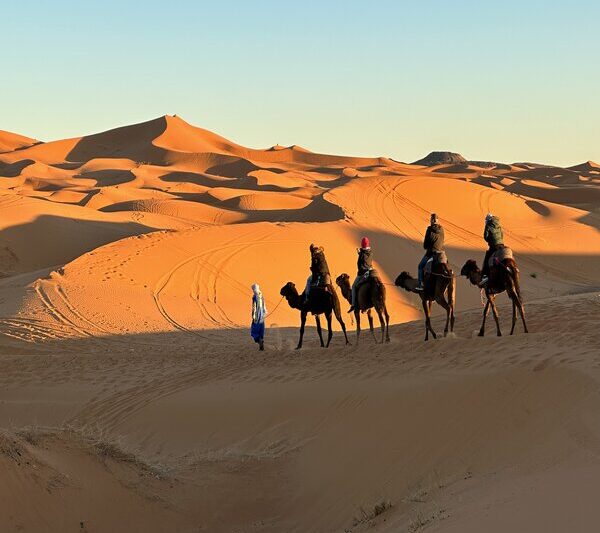
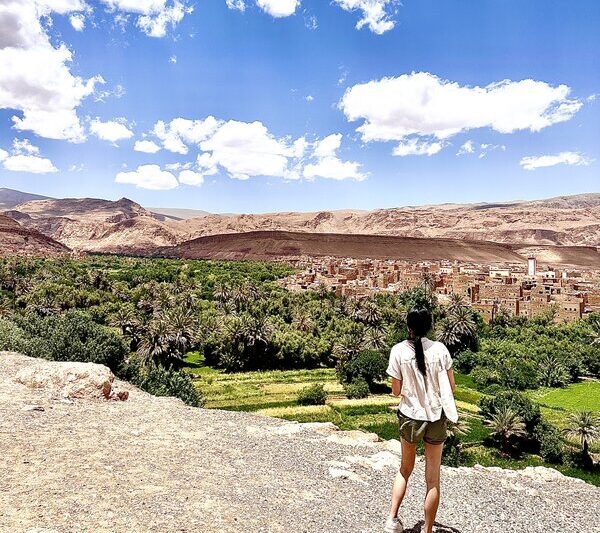
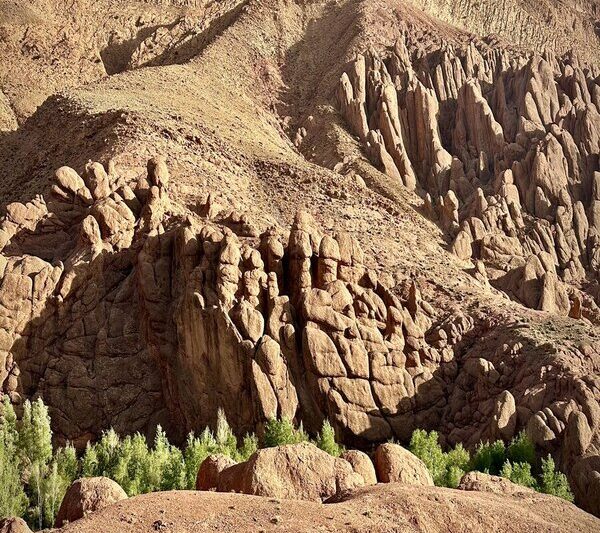
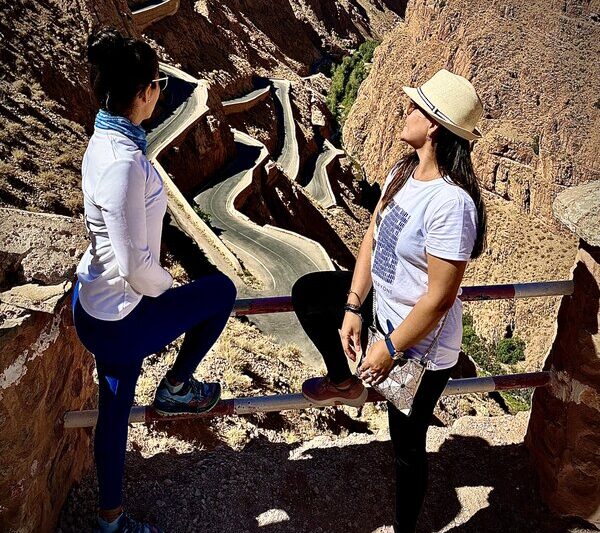
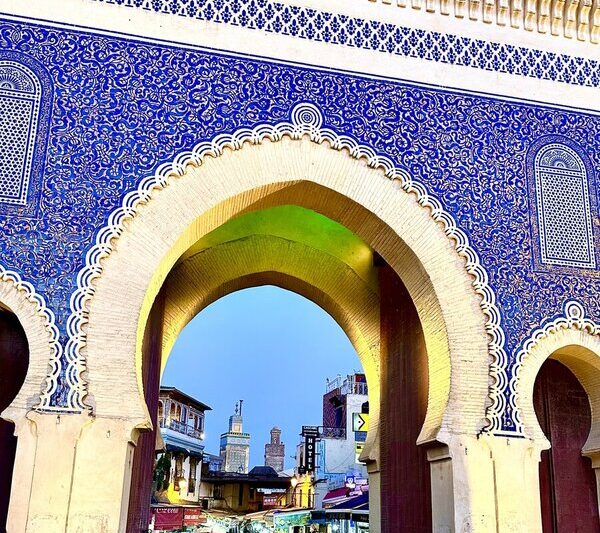
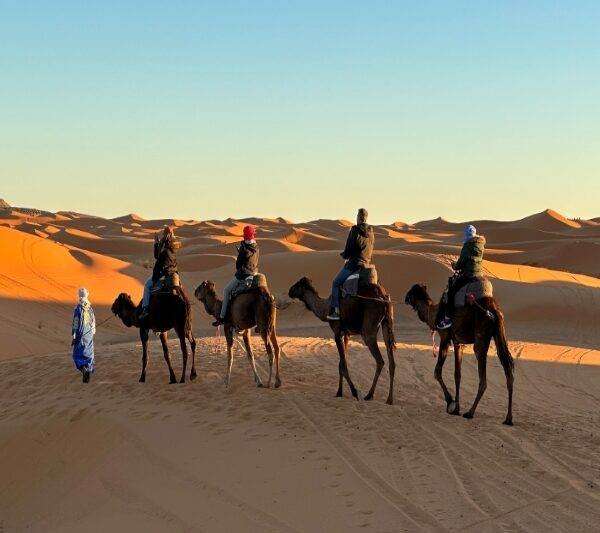
Last Minute Morocco and Marrakech ToursLast Minute Holidays


Why Travel with Morocco Meta Adventures
Morocco Meta Adventures is a locally registered tour company specializing in personalized travel experiences across Morocco. Our knowledgeable, multilingual local guides and professional drivers help you discover the country’s rich heritage, vibrant cities, and spectacular landscapes with comfort and confidence.
We offer flexible tours for solo travelers, couples, families, and small groups, with comfortable, air-conditioned vehicles and itineraries tailored to your interests, schedule, and budget.
Ready to explore Morocco? Contact Meta Adventures today to plan your private tour and let us create the perfect Moroccan journey for you. Enquire now and start planning your adventure!
BEST OUTDOOR ACTIVITIES IN MARRAKECHActivities In Marrakech
ABOUT MOROCCO
Discover the Beauty and Diversity of Morocco
Located in North Africa, Morocco is a captivating destination where Amazigh, Arab, African, Mediterranean, and European influences meet. From vibrant souks and historic medinas to golden beaches, the Atlas Mountains, and ancient kasbahs, Morocco offers an extraordinary variety of landscapes, cultures, and experiences.Discover the country’s rich heritage, traditional cuisine, and hidden gems with Meta Adventures. Our local expertise helps you experience Morocco beyond the ordinary, with journeys tailored to your interests and travel style.Ready to discover Morocco? Let Meta Adventures turn your travel plans into an unforgettable experience. Contact us today to customize your tour and book your Moroccan adventure!
WHAT OUR CLIENT SAYAwesome Reviews
IT'S TIME FOR DISCOUNTSSubscribe & travel!
FAQ's
In truth, Morocco is a safe place to visit. There’s only really small (pickpockets) and you’re unlikely to be assaulted or seriously hurt as a tourist in the country. Morocco is super safe for tourists now wich Moroccan governement did so much to make the country safe and really nice to visit especialy to attract so much tourists from all over the world .as tourism is one of the main industries in the country.
The visa regulations in Morocco vary depending on your nationality. Citizens of some countries are permitted to apply for a visa-free entry with temporary stays, which may not exceed 90 days, whereas others are required to obtain a visa in advance. Before you go, check with the Moroccan consulate or the official government sources for the latest regulations.
The spring (March to May) and fall (September to November) are the most appropriate seasons to visit Morocco, as the climate is not too hot or too cold for sightseeing and having an adventure. The best months, however, are the winter months (December to February) to go surfing, and the summer months (June to August) to go on a beach trip, but the deserts are very hot.
You should expect to spend about 7-10 days in Morocco without any hurry. With this, you will have an opportunity to visit the large cities such as Marrakech, Fes, and Casablanca, not to mention the Sahara Desert. Nevertheless, 10-14 days would be perfect in terms of mountains, coastal towns, and relaxed travel.
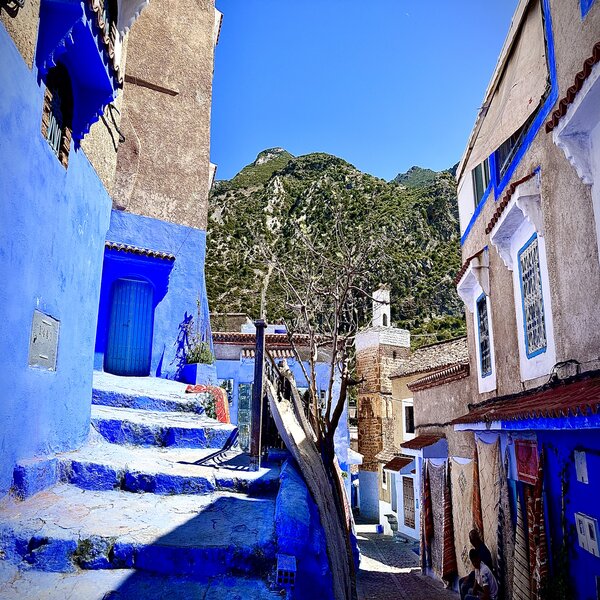
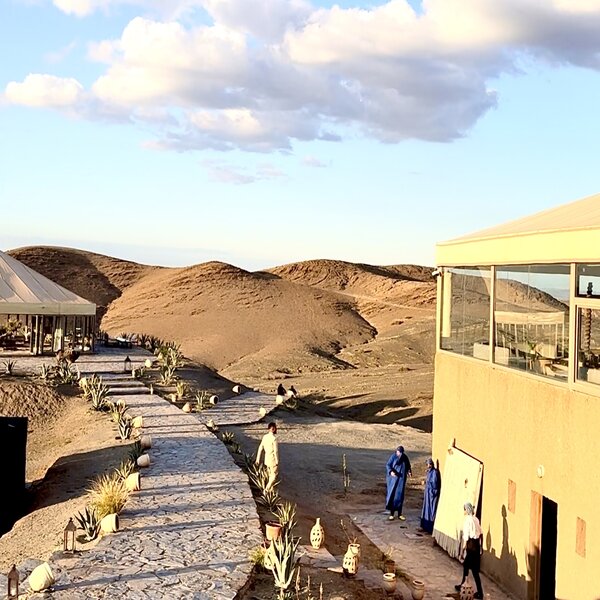
Marrakech, with its busy souks and ancient palaces, Fes, with its old medina and ancient palaces, and the town of Chefchaouen, painted in blue, are among the best places in Morocco. You may visit the Sahara Desert, where you can ride camels and see the stars. Atlas Mountains, Essaouira, and Casablanca are also highly recommended.
Morocco is a country with its own currency called the Moroccan Dirham. Some of the vendors might take the Euro and Dollars, but you will likely get a bad exchange rate, so focus on paying in Dirhams when possible. When you arrive, you can exchange dollars into Dirhams using the ATMs or other money exchange offices.
Morocco is a budget-friendly country, and most of the time, it is cheap in terms of food, transportation, and accommodation, but again, prices are subject to change and depend on the kind of traveling method you will employ. There is street food, local markets, transportation, and guesthouses that are very affordable if you’re a budget-friendly traveler.
When in Morocco, you should have both cash and cards as you will need the cash to use in smaller businesses, souks, and street foods, but the cards normally work in larger hotels, restaurants, and supermarkets. Carrying cards is also a good idea because it can be dangerous to keep huge sums of money inside the car.
Since in Morocco it is customary to tip, the percentage and amount tipped are based on the service. Making a leave of about 10-15% of the bill is common in restaurants. Nevertheless, when it comes to minor services such as porters, taxi drivers, or guides, it is welcome to round up the price or to pay slightly above the amount, such as 5-20 USD.
In Morocco, you should dress modestly. The loose-fitting clothes with shoulders and knees covered are excellent. Women usually wear long dresses, trousers, or skirts and tops covering the arms. You will be able to bring a lightweight scarf in case you need to cover your head or shoulders at the sacred places to acknowledge the traditions of the local people in the region.
Yes, one can say that Morocco is a conservative state, not only in the largest tourist attractions, but also affected by Islamic traditions and cultural values. Some cities and tourist destinations are relaxed, but conservative dressing and good etiquette, particularly in the countryside and places of worship, are valued.
You will be surprised to learn that most of the people in Morocco know French or English, particularly in tourist spots, so you may not be required to use French or Arabic. But it will also be useful, as you will have an easier travel experience and seem respectful to the culture, knowing some basic phrases in Moroccan Arabic (Darija).
It is advisable to dress modestly in Morocco, particularly when you are not in the major tourist areas, and to eat and give with your right hand. Politely greet the other people and do not exhibit his/her affection publicly. Efforts should be made to respect the privacy of other people and to avoid talking loudly in public.
The most appropriate means of travel in Morocco is based on your city. Trains are most comfortable and reliable in big cities, buses serve small towns and longer routes at effective prices. In remote locations, car rental is flexible but may be problematic in major cities because of traffic, and for desert tours, either private guides or drivers are convenient.
Morocco has convenient ways to travel between cities, so major routes are comfortable through trains, budget-friendly buses, and taxis are good for short distances. Although there is a good transport system, it is only prudent to anticipate any delays.
Moroccan food is characterized by its aggressive and eclectic tastes, yet it is not generally hot. It is full of spices such as cumin, ginger, turmeric, and paprika for depth and aroma rather than spiciness. But, if you like to add some heat, you may do it with the help of chili paste or a pinch of chili powder in some of the dishes.
Among the must-try dishes in Morocco are Tagine, a low-cooked stew, either with meat or vegetables; Couscous, a dish that is often served with vegetables and meat; and Pastilla, a sweet and savory pastry that may be stuffed with pigeon or chicken. Another option is to have some Harira, a hearty soup, Briouats, fried pastry snacks, and the well-known Moroccan mint tea, also known as Berber whisky.
It is safe to drink tap water in Morocco, and that is all due to the water treatment that meets the safety standards. However, some people discover that the tap water in Morocco is very salty, and so unless one is accustomed to it, you would be better off using bottled water or filtered water.
Yes, there is surfing and hiking in Morocco. It has superb surfing along the Atlantic Ocean with regular waves of every capability, and favored destinations such as Taghazout and Essaouira. And in hiking, the Atlas Mountains offer a variety of trails, with the most popular being Mount Toubkal, which is accessible to any fitness level and has magnificent scenery.
In Morocco, you can purchase such common souvenirs as handwoven rugs, leather products (bags, slippers, and others), ceramics and pottery, spices (saffron, and others), traditional lanterns, and handmade jewelry, among others. Besides, do not be afraid to bargain for a good price because bargaining is very prevalent in the markets.
The safest way to travel in Morocco is by using official transport networks such as trains, licensed buses for cities and towns, or hiring reputable guides or private drivers for remote areas. Stick to well-traveled routes, and avoid traveling alone at night.
It depends on the preferences and budget of the traveler. You can choose a shared group if you are on a budget, enjoy socializing and meeting new people, and like a pre-planned itinerary. However, if you like personalized experiences, have the budget for exclusivity, and prefer to avoid crowds, you should go for a private tour.
To find a great travel company, conduct research online to find companies with strong reviews and ratings, and check if they are licensed and accredited locally or internationally. Go for a company that provides clear itineraries, pricing, and responsive communication to ensure a reliable and enjoyable experience.
Yes, Morocco is generally considered safe for solo women travelers, but caution is advised. Street harassment, unwanted attention, and petty thefts can happen, especially when in busy markets or less touristy areas. Dress modestly, avoid walking alone late at night, use licensed guides, and trust your intuition.
Yes, Morocco can be safe for women travelers, but it requires awareness. Although most women report feeling safe, minor issues like scams, harassment, or feeling unsafe in dark alleyways are possible. To minimize the risk, dress modestly, portray confidence, be aware of your surroundings, and stick to well-traveled areas, especially during the night.
Yes, pickpocketing and petty crimes are common problems in Morocco, especially in crowded places like markets, medinas, and public transport. Keep your valuables safe by carrying small amounts of cash, not wearing expensive jewelry, using crossbody bags, and staying alert in busy areas.